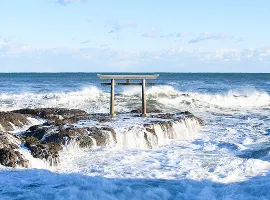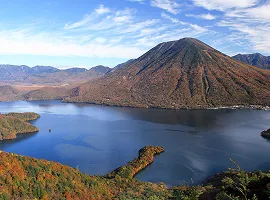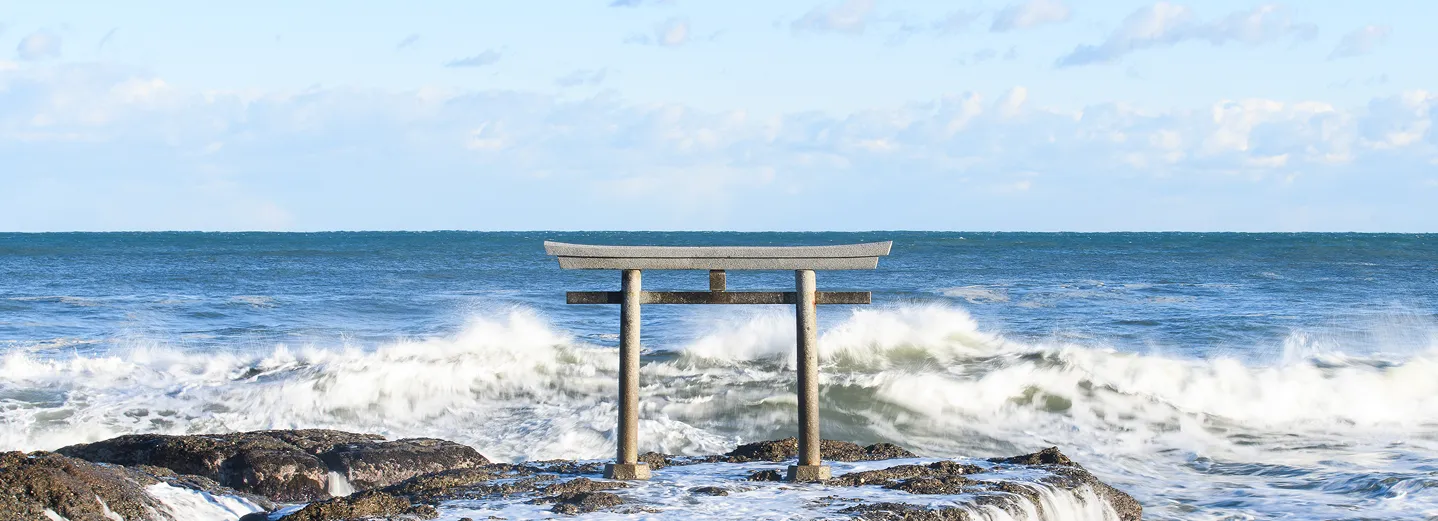
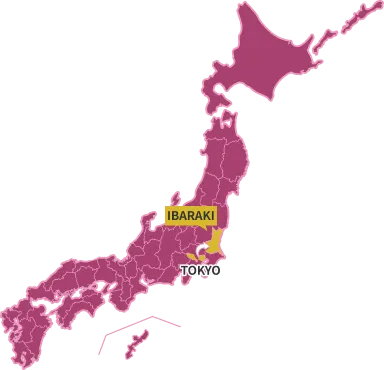
Ibaraki Prefecture is filled with hidden gems where unspoiled nature and enduring traditions thrive, despite its location just a short distance from Tokyo, the heart of Japan. To the east lie the vast Pacific Ocean, pristine rivers flowing into it, and Lake Kasumigaura, Japan's second-largest lake by area. Inland, fertile plains stretch across the landscape, while Mt. Tsukuba and the mountains of northern Ibaraki display different scenery with each season.
Surrounded by this diverse natural setting, cycling and hiking through beautiful scenery, far from the bustle of city life, offer a truly luxurious experience. The region's mild climate and magnificent natural environment also produce fine-quality Wagyu beef, fresh seafood, and abundant agricultural products, giving rise to a rich culinary culture.
Blessed with this environment, Ibaraki Prefecture has been a place where people have thrived since ancient times. Particularly during the medieval and early modern periods, powerful military leaders established their bases here, and Mito developed into a strategic hub, allowing Ibaraki to prosper as a regional center of politics, commerce, and culture. Shrines that have long attracted worshippers, other cultural assets, historic landscapes, and crafts handmade by artisans remain to this day, allowing visitors to experience the beauty of Japan's traditions.
With its beautiful natural scenery, abundant cuisine, and rich history and culture, Ibaraki Prefecture is the perfect place to discover your own exceptional experiences.

 PICK UP
Hitachi-no-kuni Long Trail
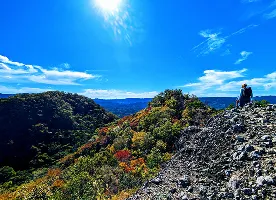
Connecting six cities and towns in northern Ibaraki, the Hitachi-no-kuni Long Trail is Japan's longest loop trail, stretching about 350 kilometers. It is gaining attention as a place where every visit brings new discoveries for those who walk it.
One of the trail's defining features is its route that takes you between rural villages and the mountains. Along paths that have long supported local faith and industry, visitors can experience Japan's history, culture, and traditional way of life firsthand. The nostalgic unspoiled landscapes that unfold along the route are another highlight, revealing new delights with every step.
The scenery shaped by the region's varied terrain is truly spectacular, from terraced rice fields beyond lushly forested mountain ridges to breathtaking views of the Pacific Ocean and the Kuji River from the mountaintops. With little snowfall even in winter, the trail can be enjoyed comfortably throughout all four seasons.
After hiking, you can savor local specialties such as Hitachi Aki soba noodles and Okukuji Shamo chicken. Discover your own unique adventure with a "section hike," in which you explore the trail one section at a time based on your fitness level and schedule.
Visit official website
Visit promotional website
Tsuchiura All Japan Fireworks Competition
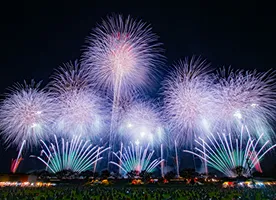
Among Ibaraki's many fireworks festivals, the Tsuchiura All Japan Fireworks Competition stands out as one of Japan's premier fireworks competitions. Its long history dates back to 1925, when the chief priest of Jinryuji Temple used his own funds to organize the event in memory of members of the Japanese navy air service who lost their lives in the line of duty and to help revitalize the local economy following the 1923 Great Kanto Earthquake. The event has grown larger each year and today attracts large numbers of spectators from across Japan.
Highlights include the 10-go dama (no. 10 shell), which blooms into a floral firework nearly 300 meters in diameter; "creative fireworks," featuring innovative ideas; and the "starmine," in which hundreds of fireworks are launched in carefully synchronized sequences set to music. Fireworks artisans compete fiercely for prestige and top honors.
Unlike many Japanese fireworks festivals that are held in summer, the Tsuchiura competition takes place each autumn (in November) to celebrate the harvest season and honor the hard work of farmers. The sight of the crisp autumn night sky illuminated by a dazzling variety of fireworks, each infused with the passion of the pyrotechnicians, is truly breathtaking.
Visit Website
 Getting from Tokyo to IBARAKI
Route 1
-
 JR Tokyo Station to JR Mito Station: About 75 minutes by limited express train
 Festivals of IBARAKI

 Local specialty shop




 Destinations