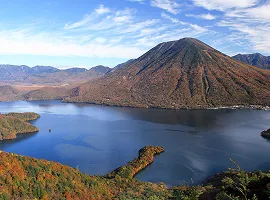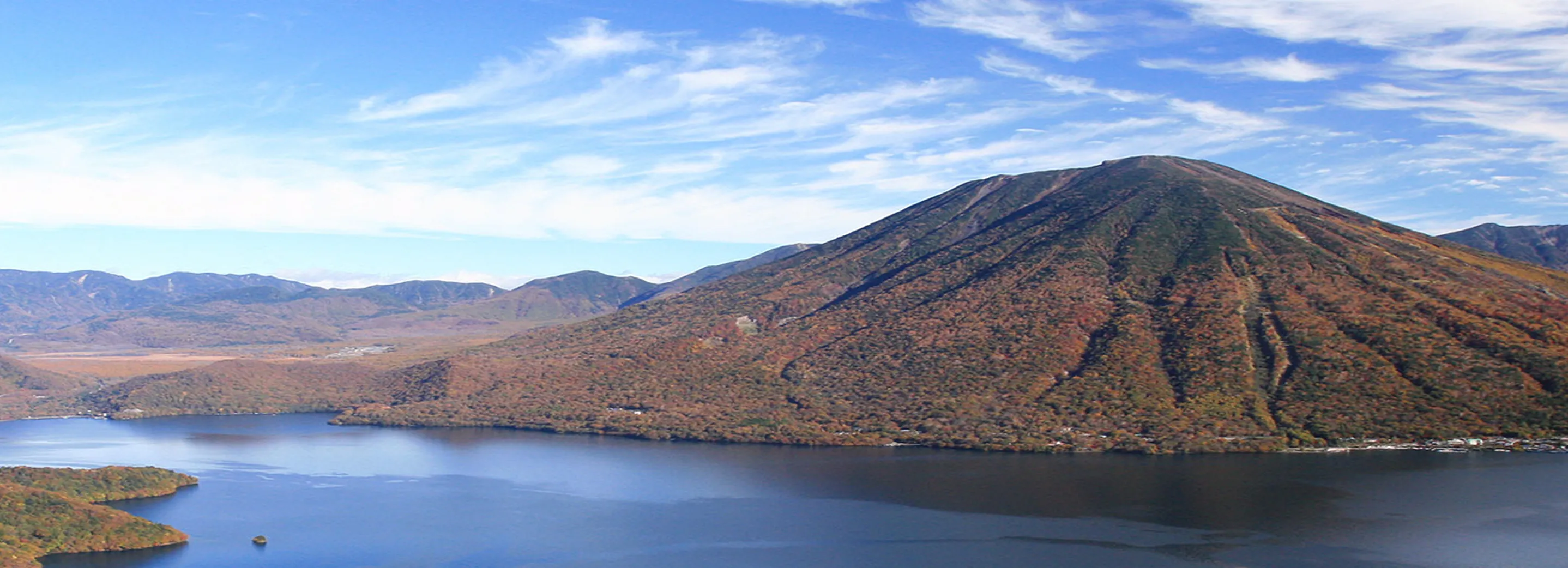
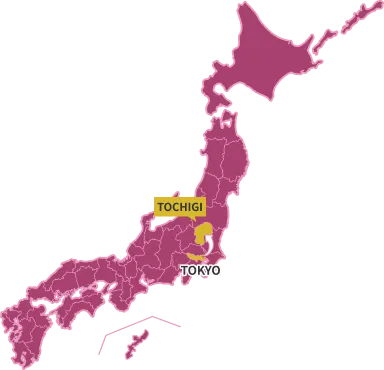
Tochigi Prefecture is located about 100 kilometers north of Tokyo, with its largest city, Utsunomiya, just a 50-minute Shinkansen ride away. The Nasu and Nikko areas in the north are home to mountain ranges with peaks rising above 2,000 meters, while vast plains spread out to the south.
Each area of Tochigi has its own distinct character. The Nasu area is one of Japan's premier highland resort destinations, while the Nikko area has shrines and temples collectively designated as a UNESCO World Heritage Site scattered among the mountains. The prefecture's central area is home to Utsunomiya, a major transportation hub; the eastern region is known for its thriving traditional crafts; and the southern region, the closest to Tokyo, was once a prosperous center of commerce.
Tochigi Prefecture is also known as a place where abundant natural beauty and a rich historical and cultural heritage exist in harmony. Visitors can enjoy beautiful scenery throughout the four seasons, while hot spring resorts and picturesque rural landscapes found across the prefecture offer tranquil opportunities for rejuvenation. The prefecture is also popular for its cuisine, including Utsunomiya's gyoza dumplings and locally grown strawberries, allowing visitors to enjoy the distinctive regional food culture. With its convenient access from the Tokyo metropolitan area and diverse tourist attractions, Tochigi Prefecture is a destination where visitors can experience nature, history, culture, and cuisine highlights in a single trip.

 PICK UP
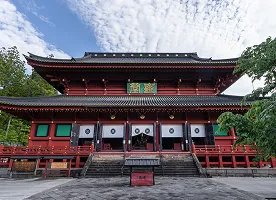
UNESCO World Heritage Site: Shrines and Temples of Nikko
The World Heritage Site "Shrines and Temples of Nikko" comprises the 103 structures (9 National Treasures and 94 Important Cultural Properties) of Nikko Toshogu Shrine, Nikko-zan Rinno-ji Temple, and Nikko Futarasan-jinja Shrine within the Nikko Sannai area, as well as the archaeological sites (cultural landscape) surrounding these structures.
Since the Buddhist monk Shodo Shonin founded Nikko in 766 CE, it has been known as an important center of mountain worship. Numerous Buddhist temples and Shinto shrines were established throughout Nikko, making it a major center of religious devotion and a sacred place where spiritual energy is believed to converge.
After Tokugawa Ieyasu (1542–1616), founder of the Edo shogunate, was deified as Tosho Daigongen ("Great Deity of the East Shining Light") and enshrined at Nikko Toshogu Shrine, Nikko came to be revered and protected by the shogunate, becoming one of Japan's most renowned religious places. With the shogunate's patronage, its many shrines and temples were carefully maintained, and even the carvings on their buildings are lavish and beautiful, embodying traditional craftsmanship.
Visit Nikko Toshogu Shrine website
Visit Nikko-zan Rinno-ji Temple website
Visit Nikko Futarasan-jinja Shrine website
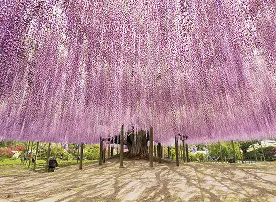
Ashikaga Flower Park
Ashikaga Flower Park is a botanical garden located in Ashikaga City in southern Tochigi Prefecture. Flowers bloom throughout the seasons across the park, with each season bringing its own colorful display of blossoms.
The park's magnificent Great Wisteria trellis is especially spectacular when it reaches its peak bloom in spring. Illuminated at night, it creates a magical atmosphere that shouldn't be missed. The 80-meter White Wisteria Tunnel is also breathtaking. Each year, the park hosts the Great Wisteria Festival.
From late October to early February, the park also presents the Garden of Illuminated Flowers, one of Japan's Three Great Illuminations, attracting families, couples, and many other visitors.
Ashikaga Flower Park has become an increasingly popular tourist destination since it was selected by CNN as one of the top 10 global "dream destinations for 2014," in which its more than 150-year-old "miraculous Great Wisteria" was said to be nearly identical to one from a fantasy movie.
Visit Website
 Getting from Tokyo to TOCHIGI
Route 1
-
 JR Tokyo Station to JR Utsunomiya Station: About 50 minutes via the Tohoku Shinkansen
 Festivals of TOCHIGI

 Local specialty shop





 Destinations