Theme of the Scenic Route

Discover Beautiful Gardens and Master Craftsmanship in Tokyo and Ibaraki: A Cultural Journey Exploring Japanese Aesthetics!

ONE MORE STEP FROM TOKYO
IBARAKI × TOKYO
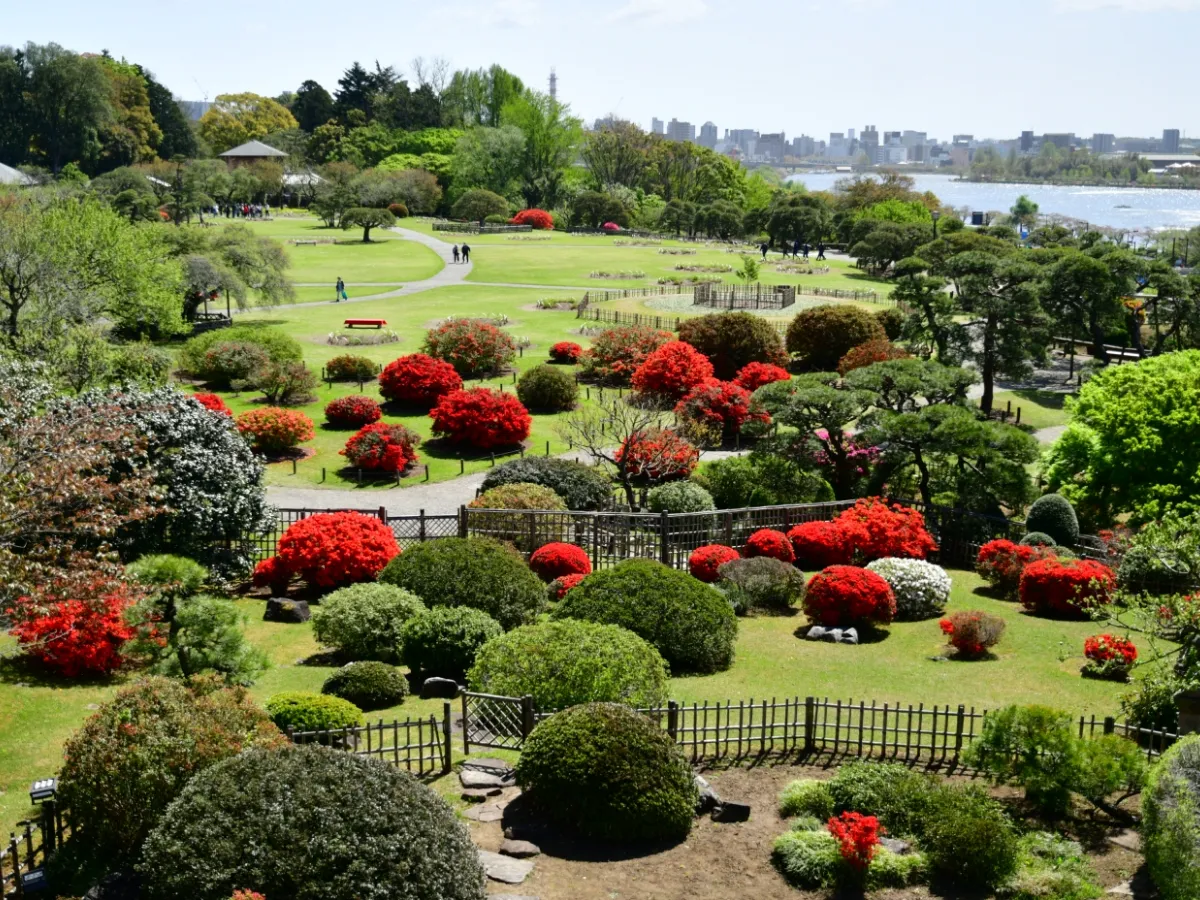
Kairakuen Garden

This itinerary invites you to explore Tokyo’s gardens, ukiyo-e woodblock prints, and traditional performing arts before continuing to Ibaraki, where you’ll experience the beauty and craftsmanship embodied in a renowned garden, Suifu chochin, sake, and Kasama ware.

In Tokyo, discover Japan’s enduring aesthetics through the garden of Happo-en, ukiyo-e woodblock prints at the Sumida Hokusai Museum, and traditional performing arts at SUIGIAN. Then travel to Ibaraki to visit Kairakuen Garden and Kasama Inari Jinja shrine before experiencing a Suifu chochin workshop, a sake brewery, and the hometown of Kasama ware. Over these three days, do more than simply see the sights as you savor local flavors, experience handcraftsmanship and monozukuri (lit. “making things”) culture, and gain a deeper understanding of artisans’ skills and regional history.

*For the latest information on business hours, days when spots/facilities are regularly closed, prices, etc., please check the official website for each spot/facility or check directly with the spot/facility.

Destination

Itinerary​

3Days

Transport

JR Joban Line Limited Express
Tokyo to Mito
About
1 hour
15 minutes
Day1
TOKYO
1
Happo-en
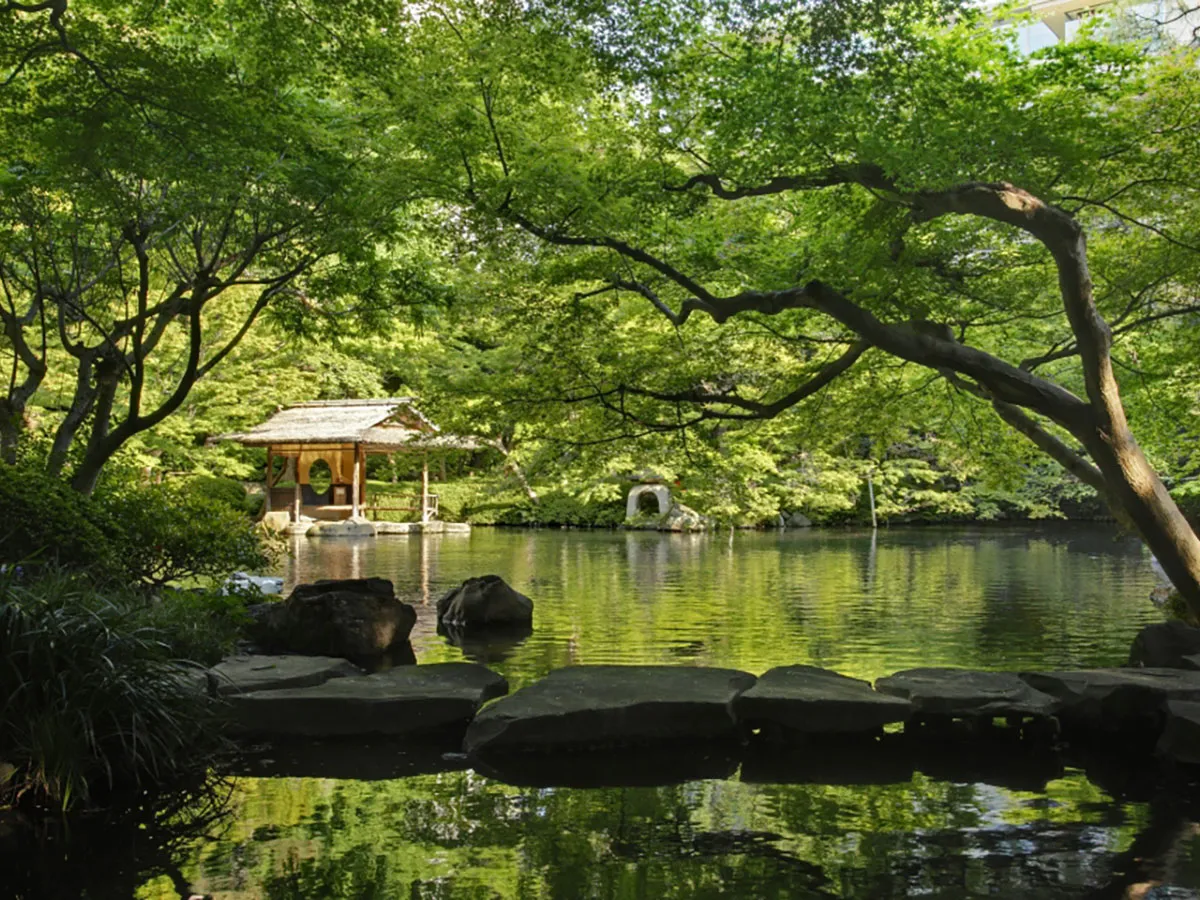
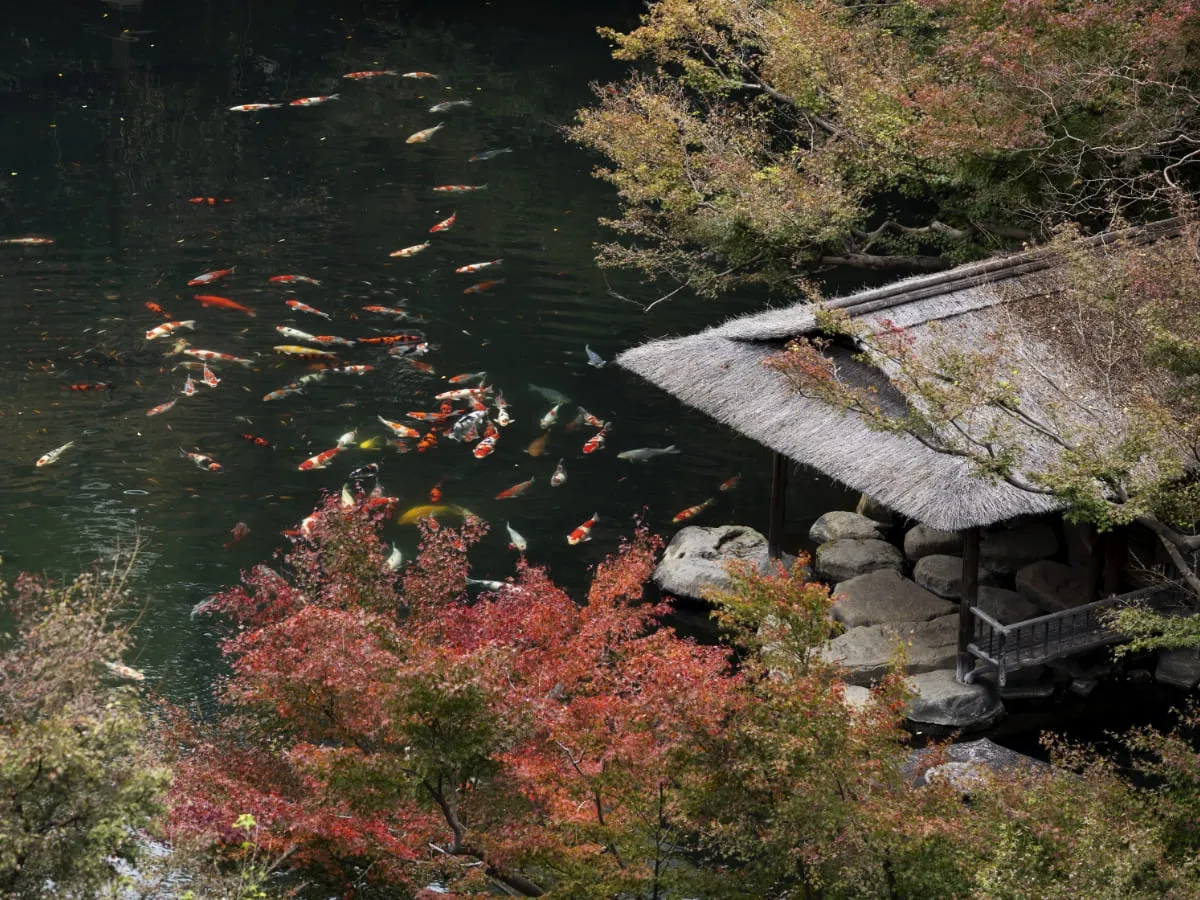
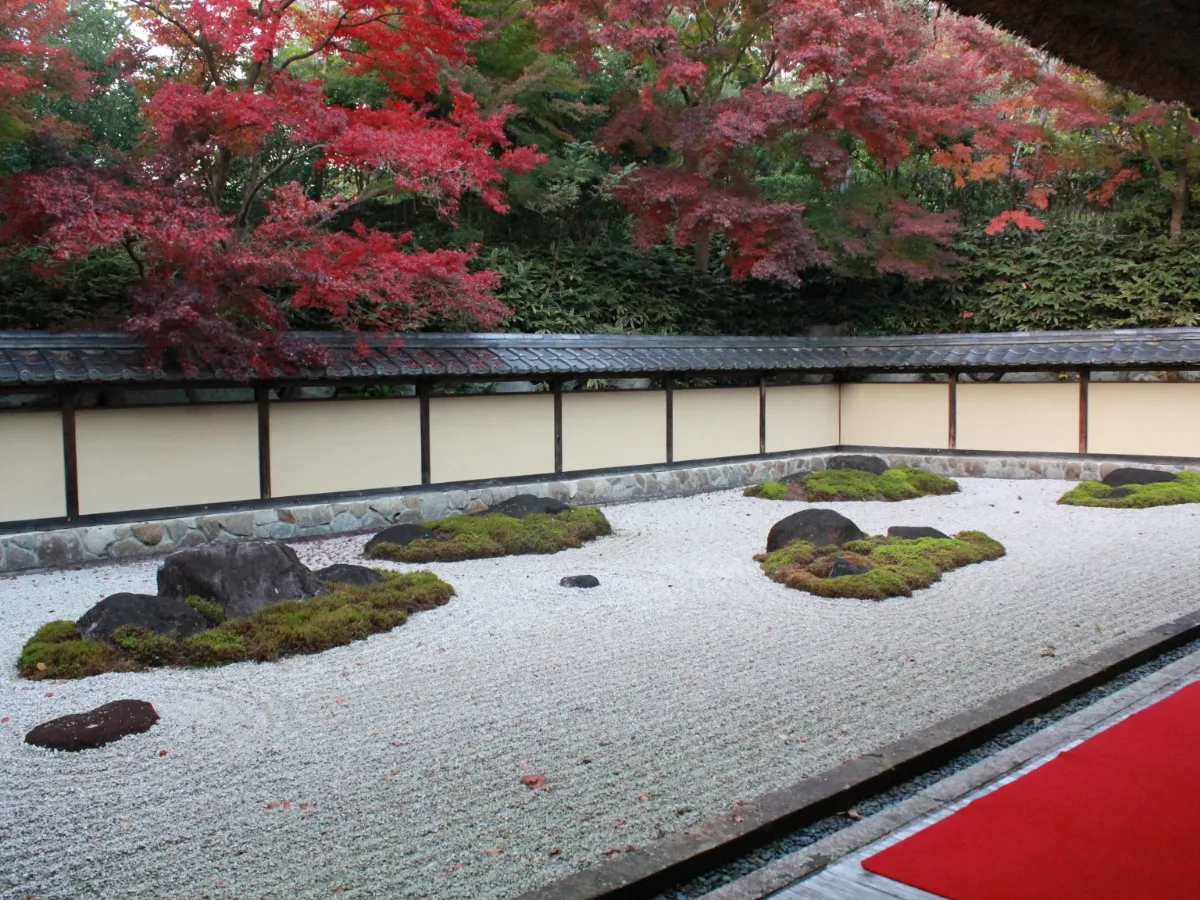
Happo-en, situated within a site of approximately 10,000 tsubo (about 33,058 square meters), has a Japanese garden with approximately 400 years of history dating back to the Edo period.
The name is derived from how beautiful it looks from all angles (from the Japanese expression "shiho happo," meaning every direction).
There is a Western restaurant and a traditional Japanese restaurant in the garden, and it is famous as a wedding venue.
1 minutes by foot
30 minutes by train (non-JR lines)
5 minutes by foot
2
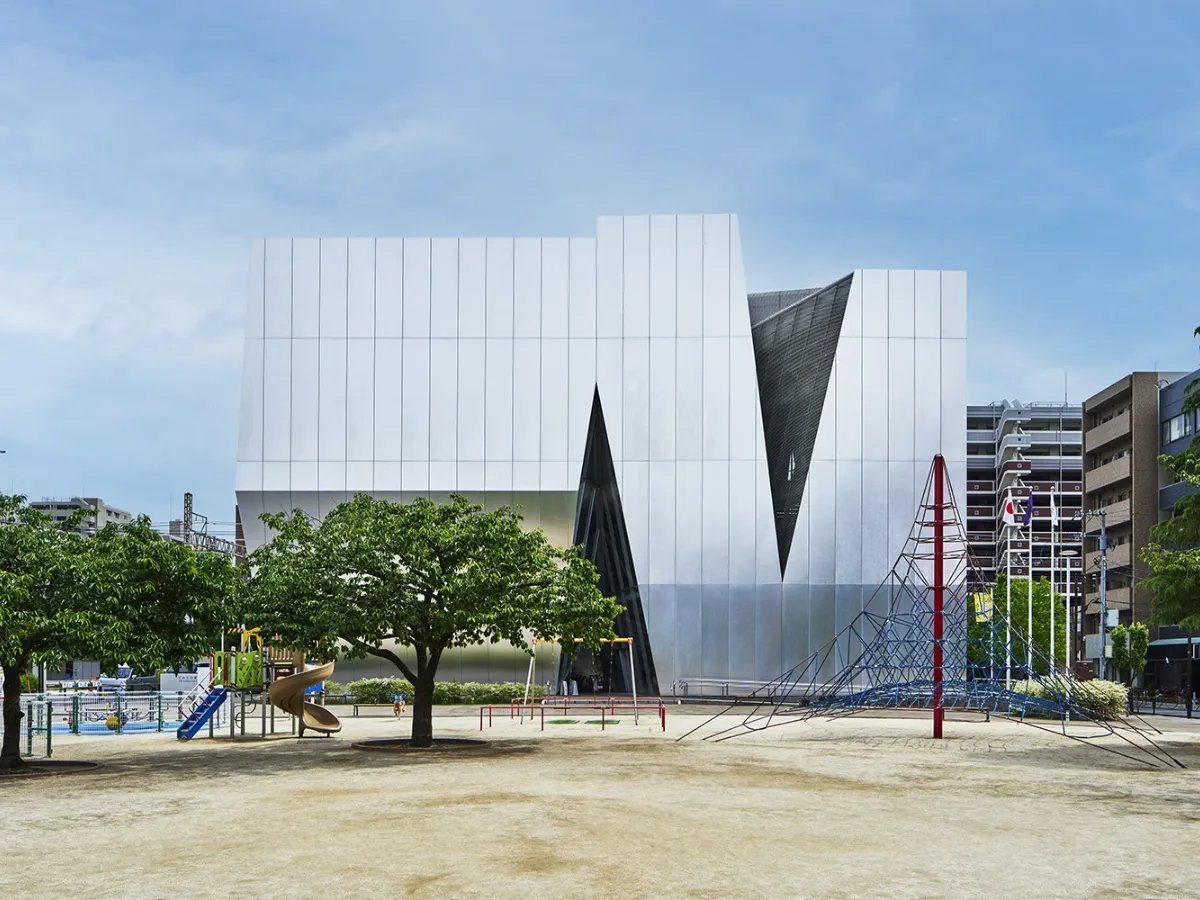
The Sumida Hokusai Museum

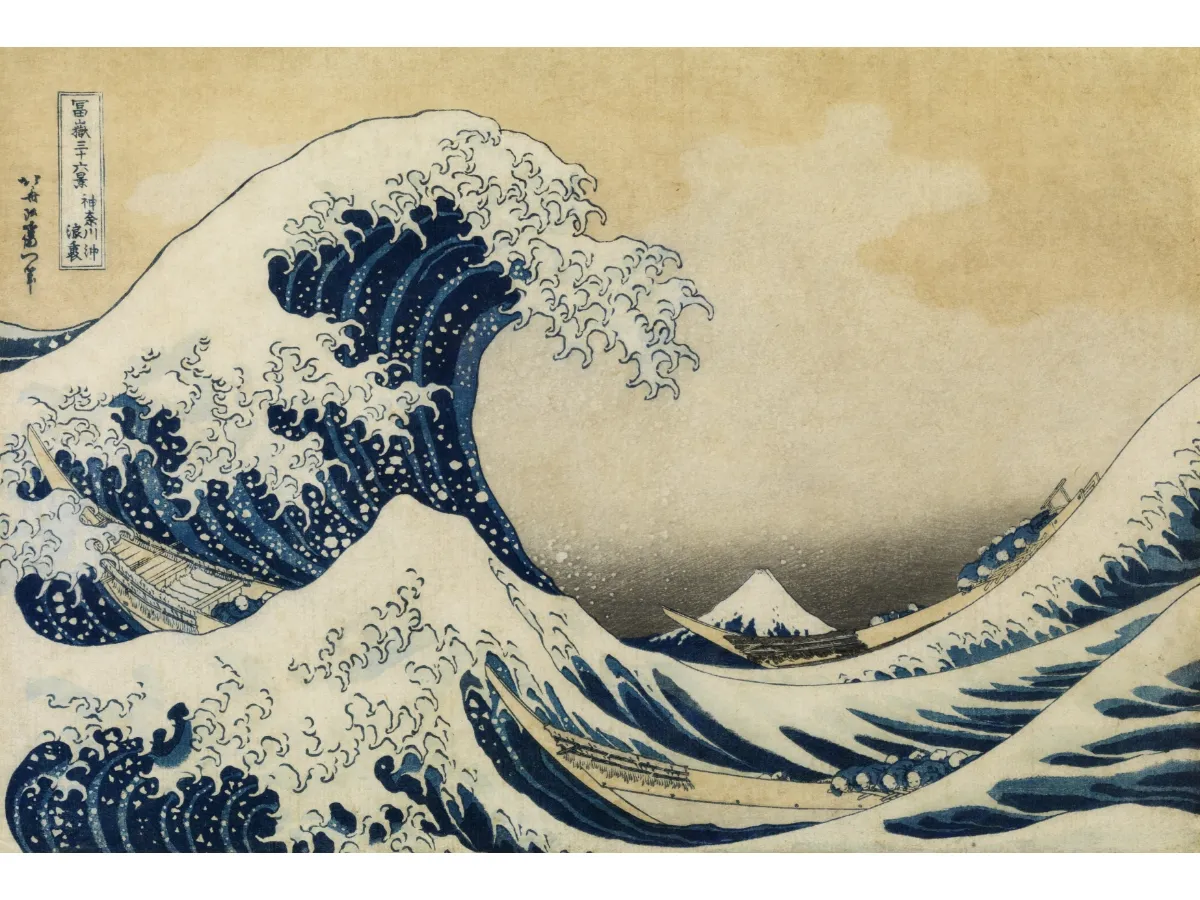
葛飾北斎「冨嶽三十六景 神奈川沖浪裏」すみだ北斎美術館蔵

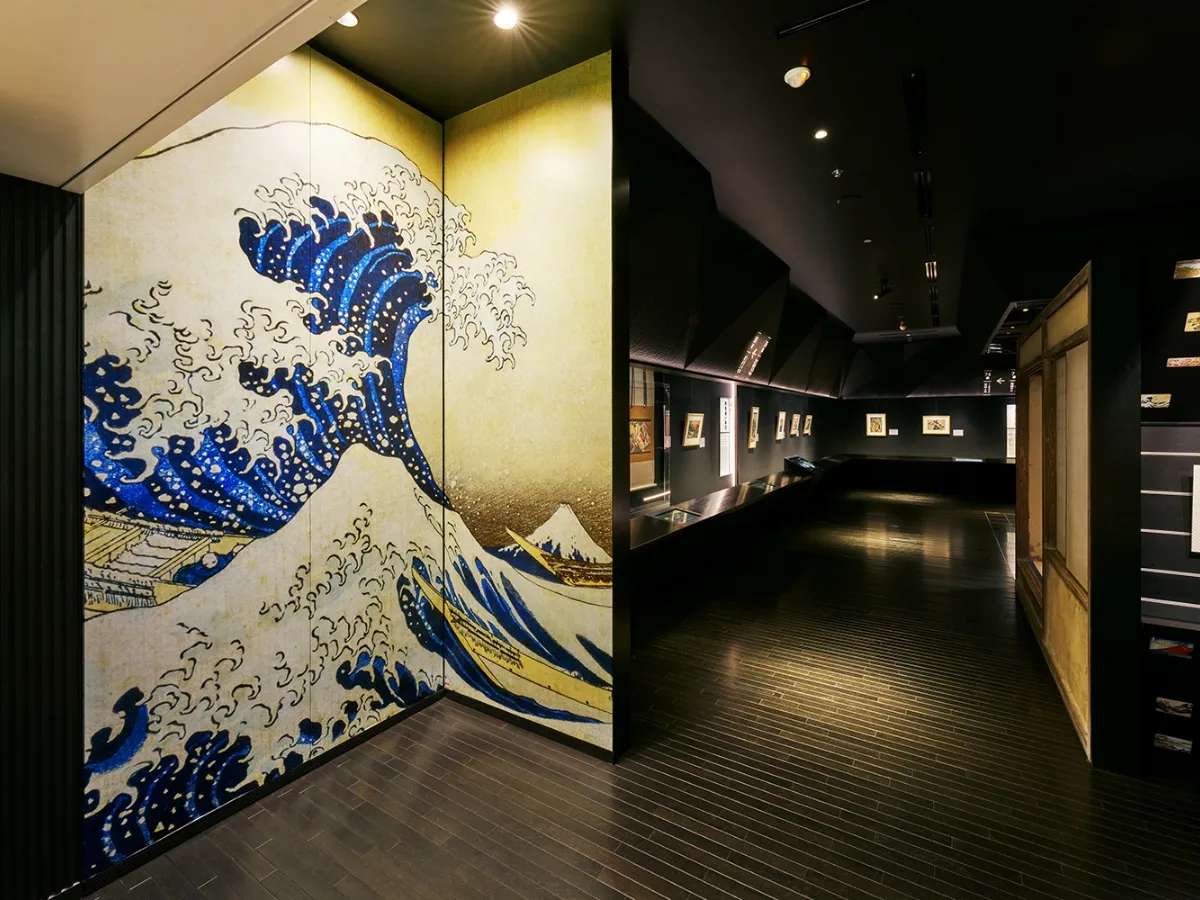
Katsushika Hokusai, praised as a world-class artist, was born near Hokusai Dori in what is now known as Sumida Ward, and spent most of his 90-year life in the ward, leaving behind many excellent works.
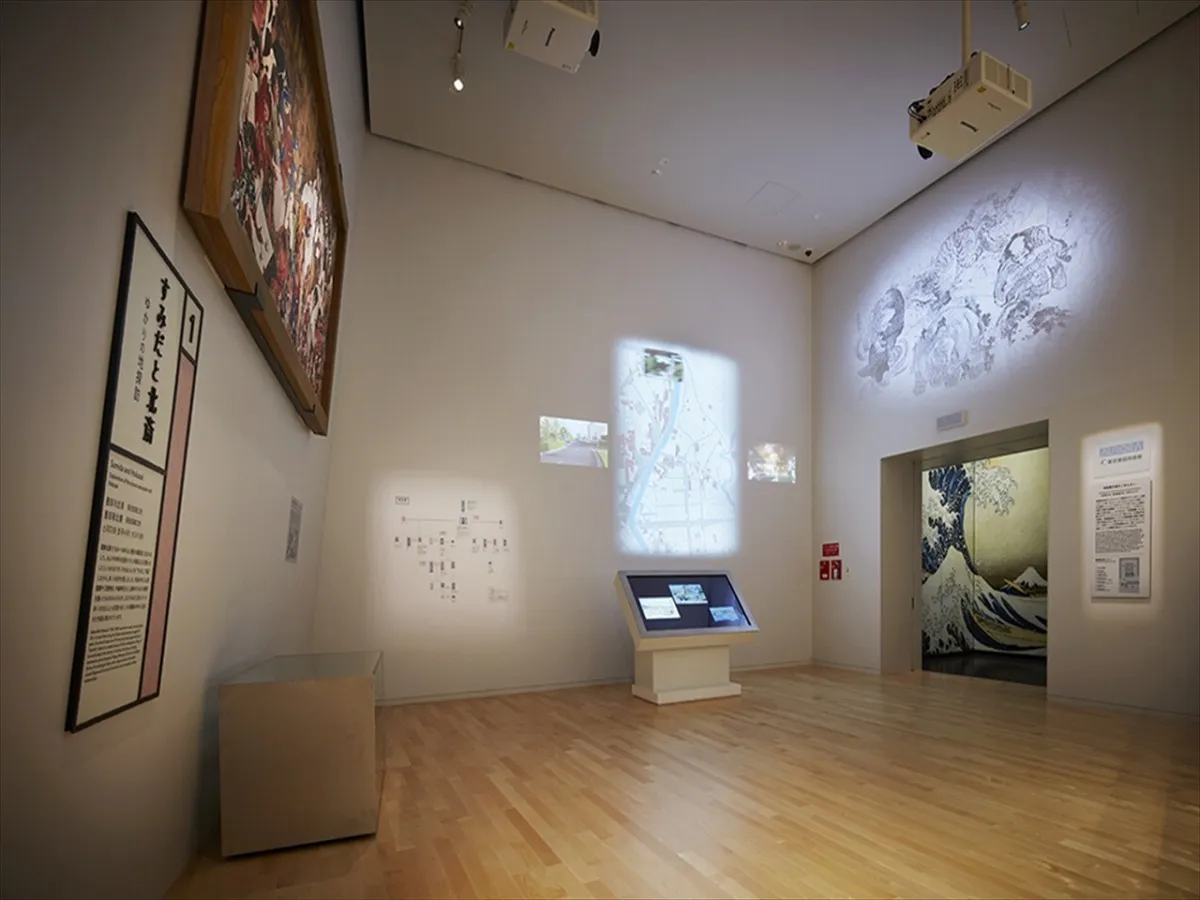
In addition to showcasing Hokusai’s works, the museum conducts exhibitions and educational outreach projects with diverse themes that convey the relationship between Hokusai and Sumida in an easy-to-understand manner.
5 minutes by foot
8 minutes by train (non-JR lines)
5 minutes by foot
3
SUIGIAN
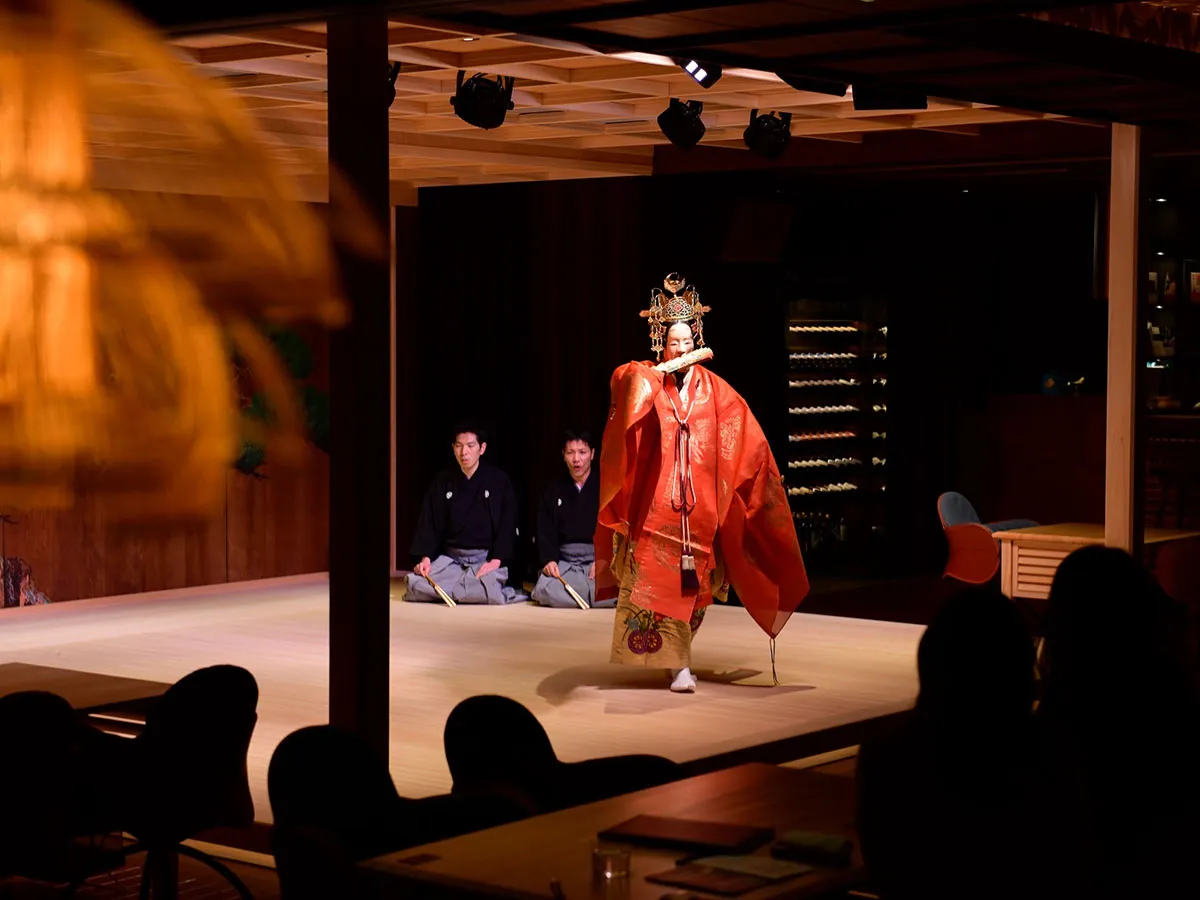
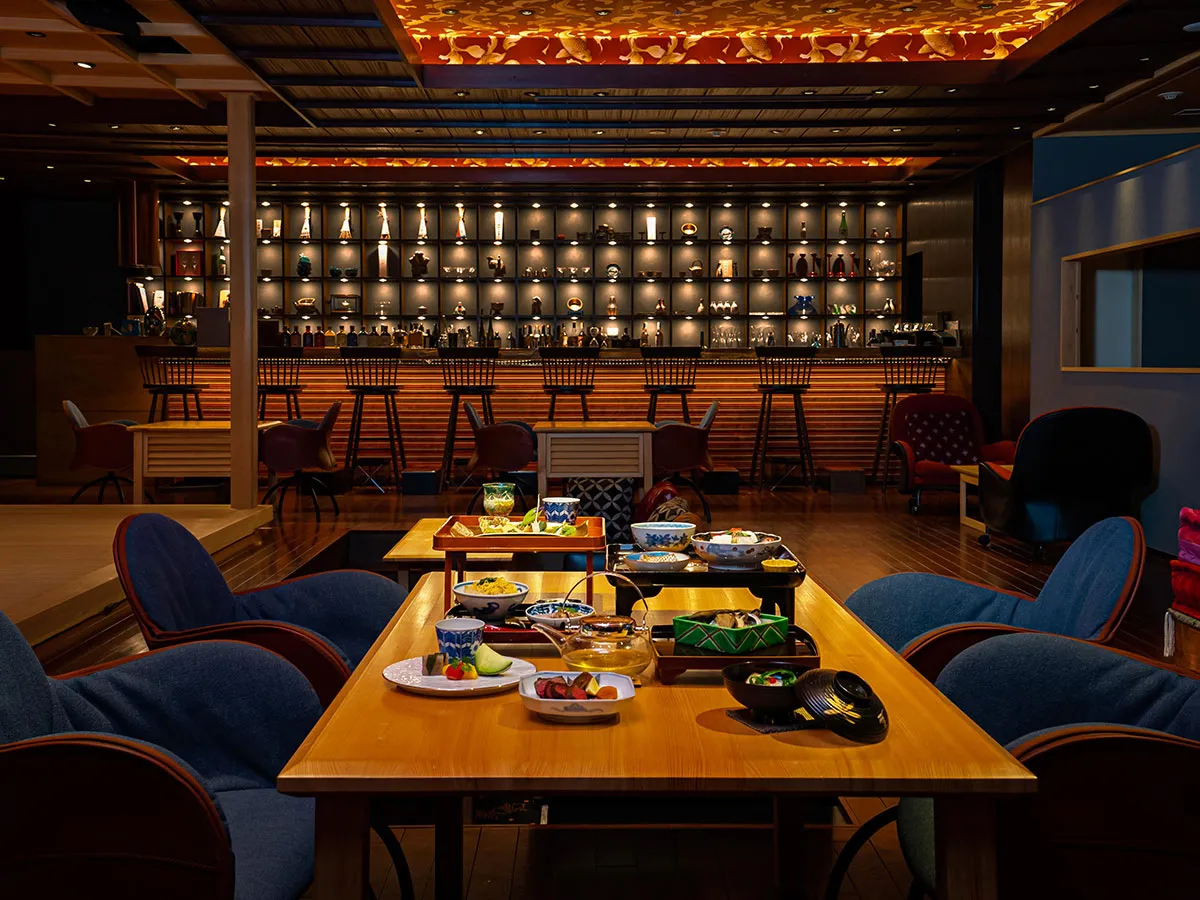
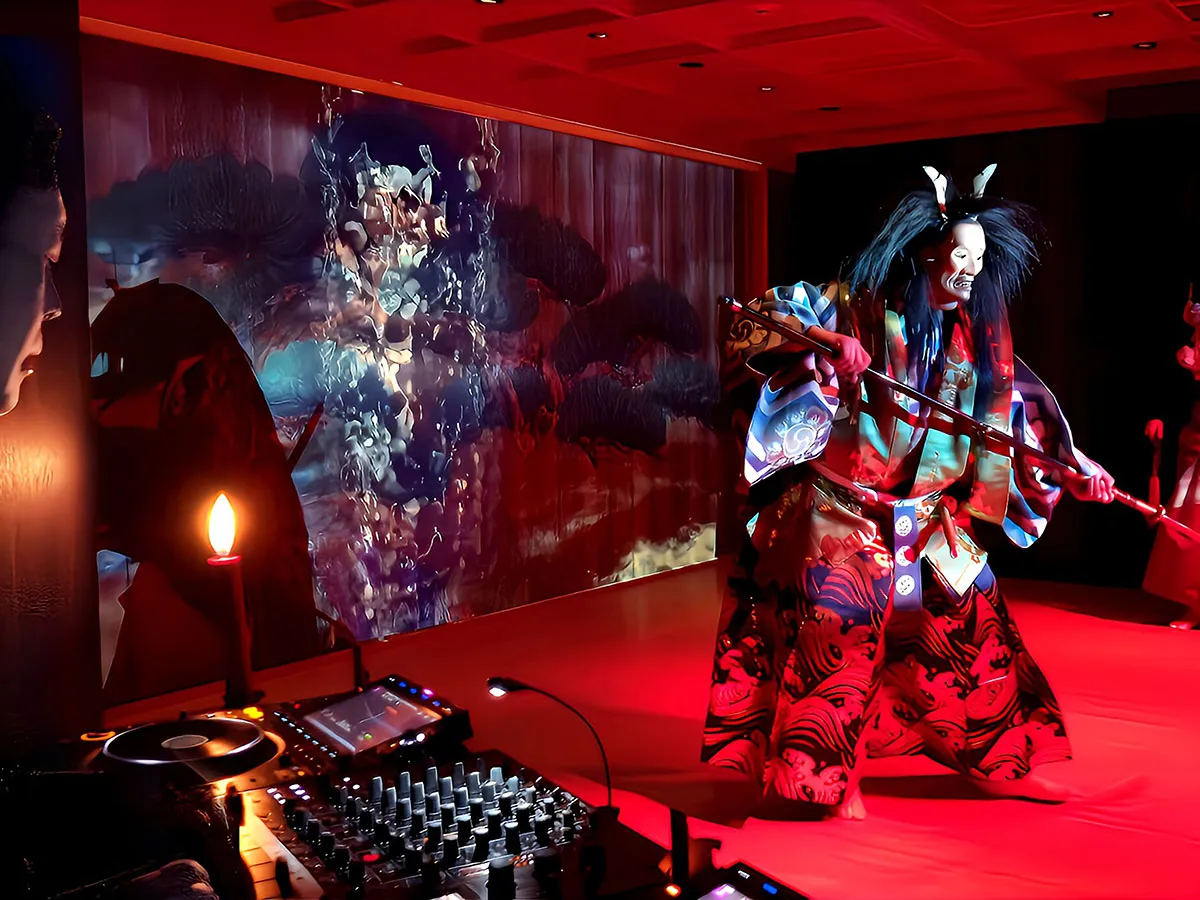
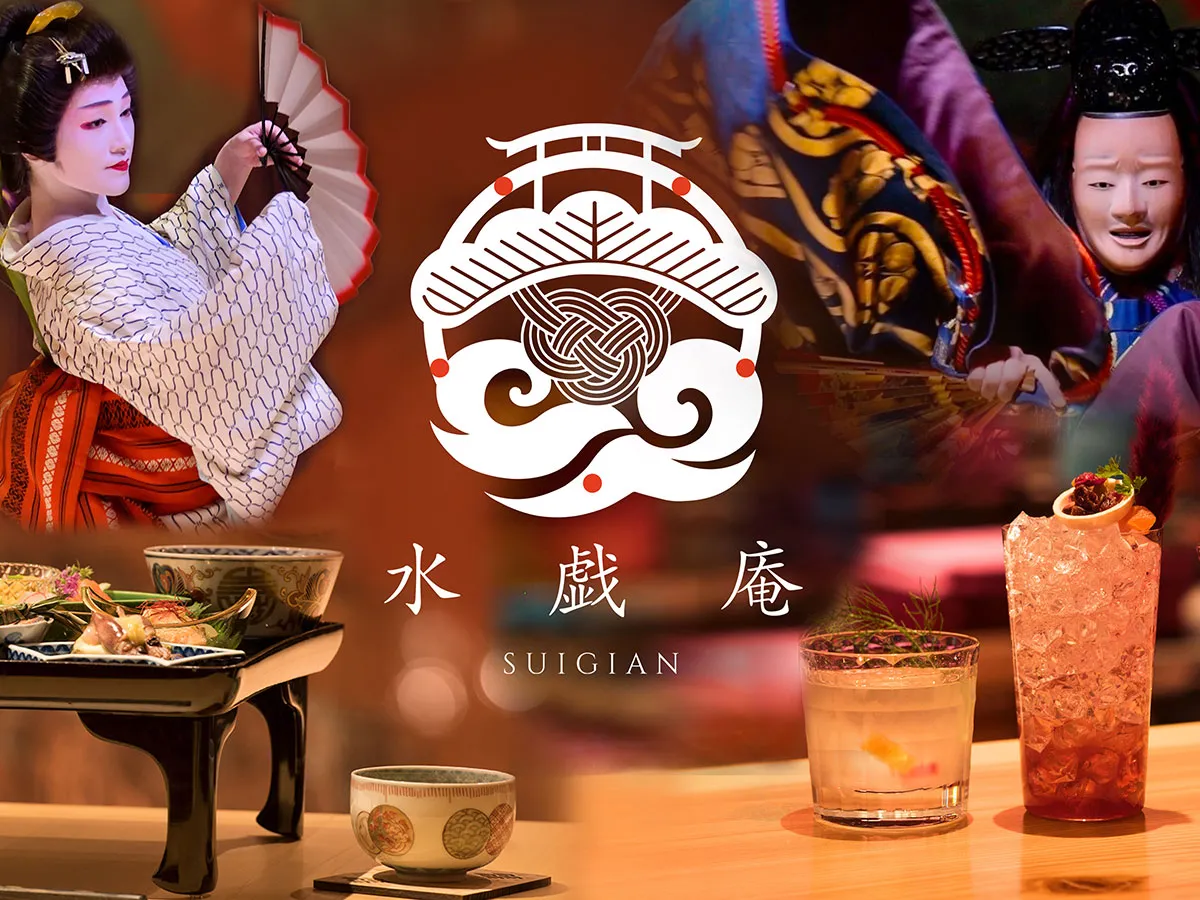
Enjoying traditional Japanese performing arts up close, while sitting through a banquet, is one of the luxurious experiences that is unique to SUIGIAN. Live performances of traditional Japanese performing arts such as Noh, Kyogen, Kagura, Gagaku, and Nihon-buyo are held day and night on the Noh stage positioned in the center of the restaurant. The sight of seasonal dishes being served to the rhythm of Noh is truly entertaining. The menu expresses the 24 seasons and 72 micro-seasons of the Japanese lunar calendar with attentive detail, alongside a lineup of teas from long-established tea shops in Kyoto and sweet Kyoto confectionery. You can enjoy pairings of seasonal teas with dishes, season-themed cocktails prepared by skilled bartenders, and carefully curated Japanese sake and wine. Come experience Japanese culture and the seasons at the site of the legendary restaurant MOMOKAWA, which was a favorite among many literary figures and artists in the historic Nihonbashi district of Tokyo.
Day2
IBARAKI
4
Tokyo Station
1h15minutes by train (JR)
20 minutes by bus
5
Kairakuen Garden
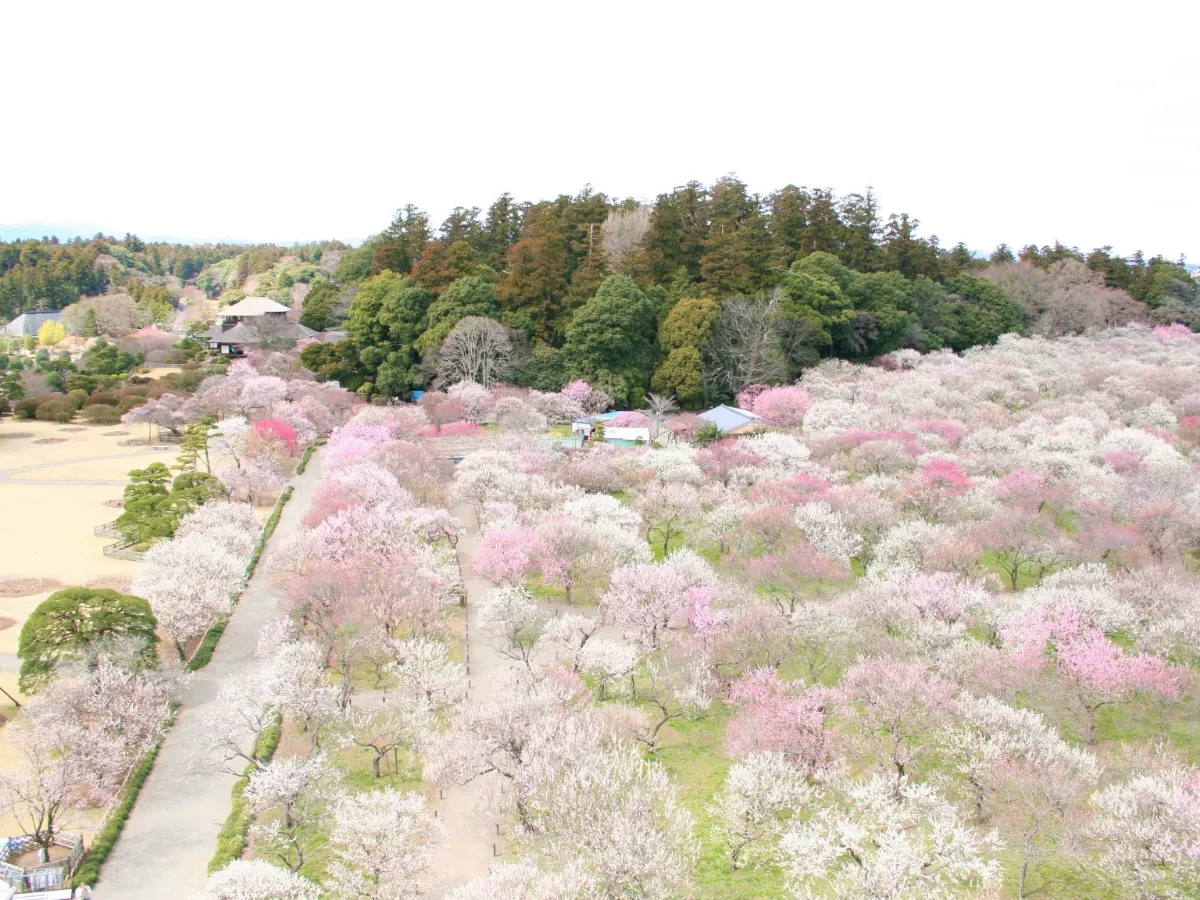
Kairakuen Garden is one of the Three Great Gardens of Japan, alongside Kenrokuen in Kanazawa and Korakuen in Okayama. The garden was established in 1842 by Nariaki Tokugawa, the ninth feudal lord of the Mito Domain.
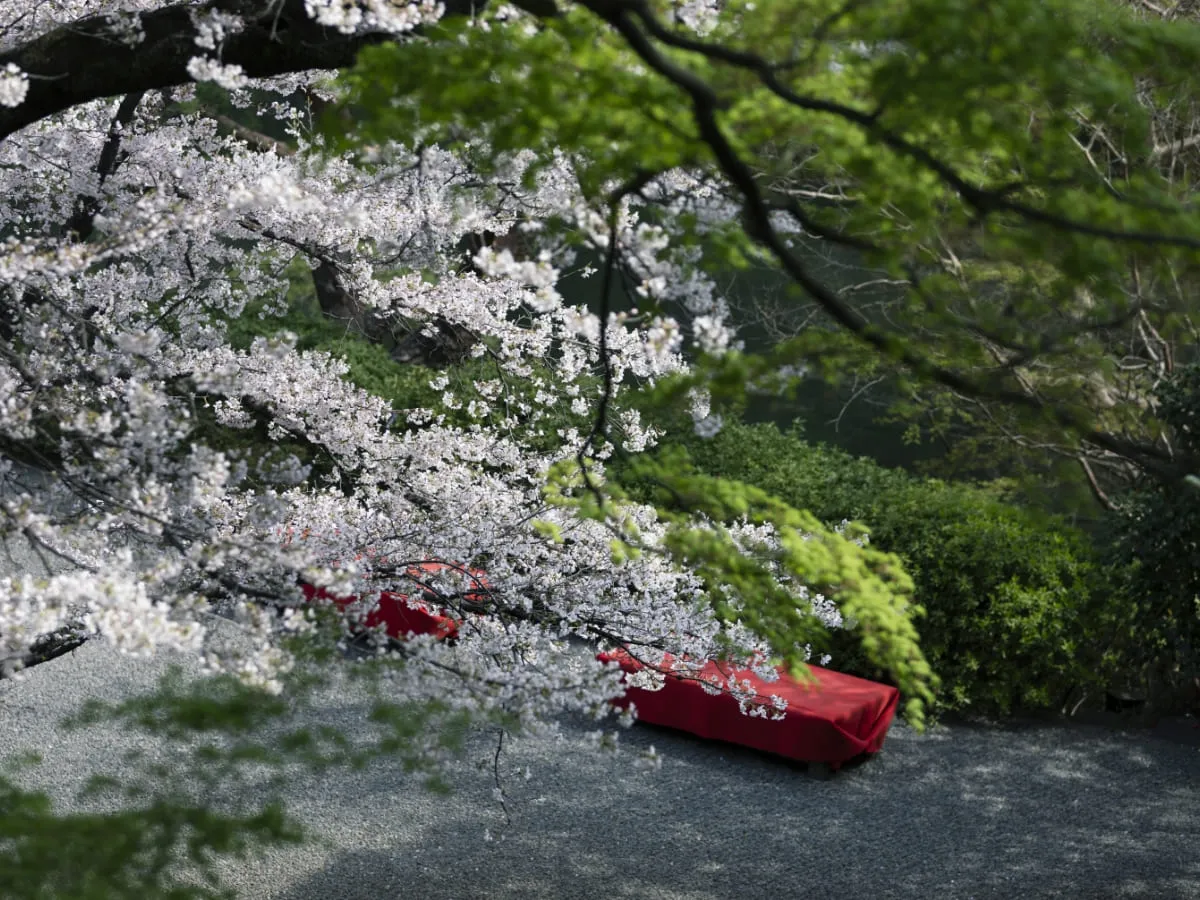
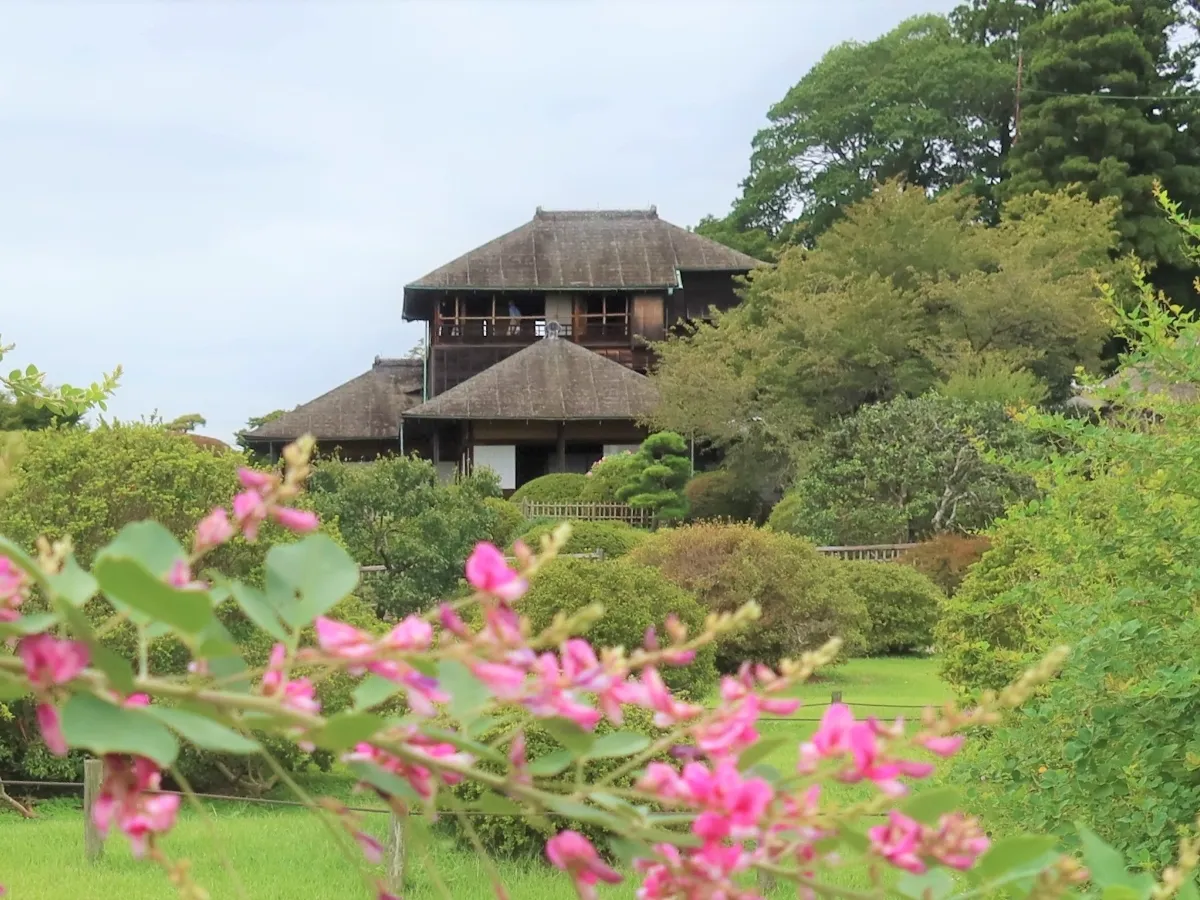
Today, Kairakuen is a popular place for the public to relax and unwind. Plum blossoms in late winter and early spring, cherry blossoms and azaleas in spring, and Japanese bush clovers in autumn keep Kairakuen beautiful year-round.
10 minutes by taxi
6
Suzuki Mohei Shoten Shop
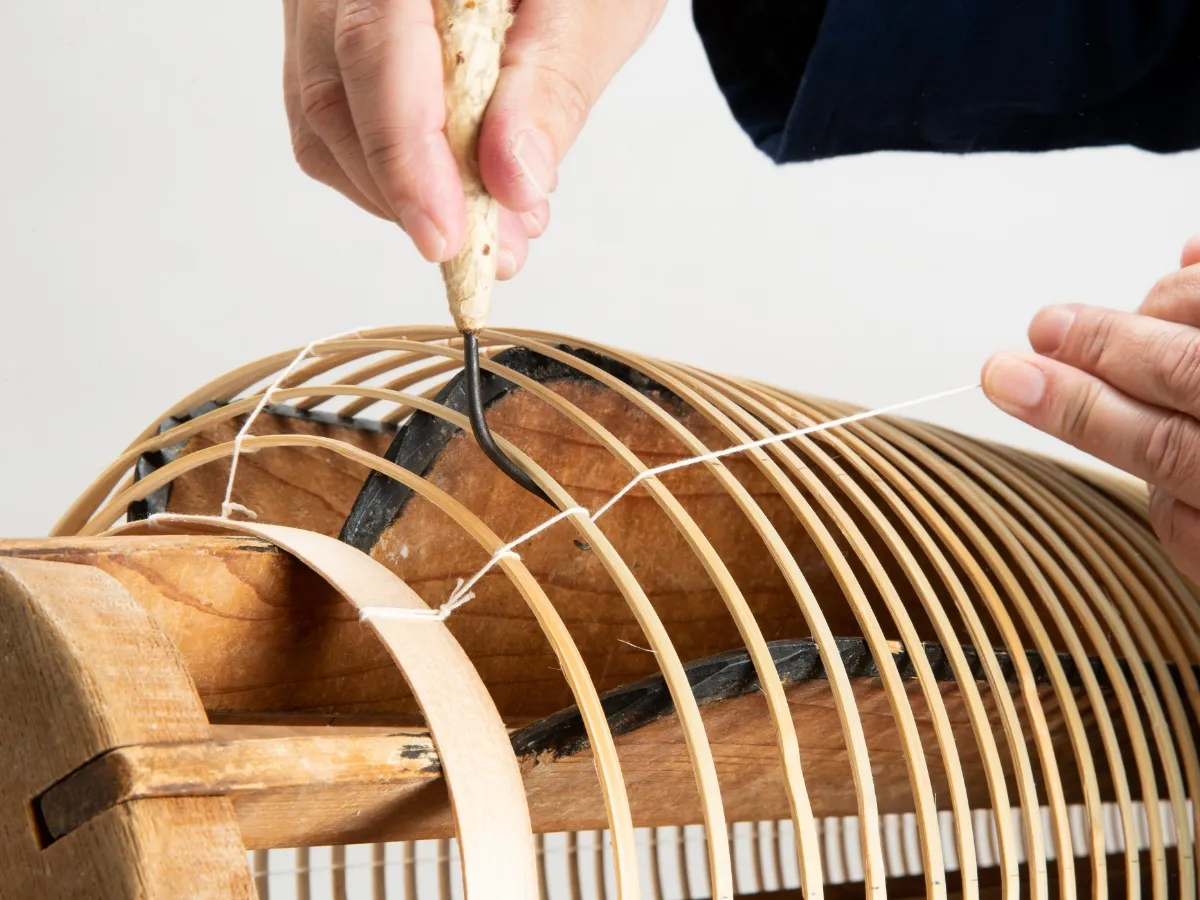
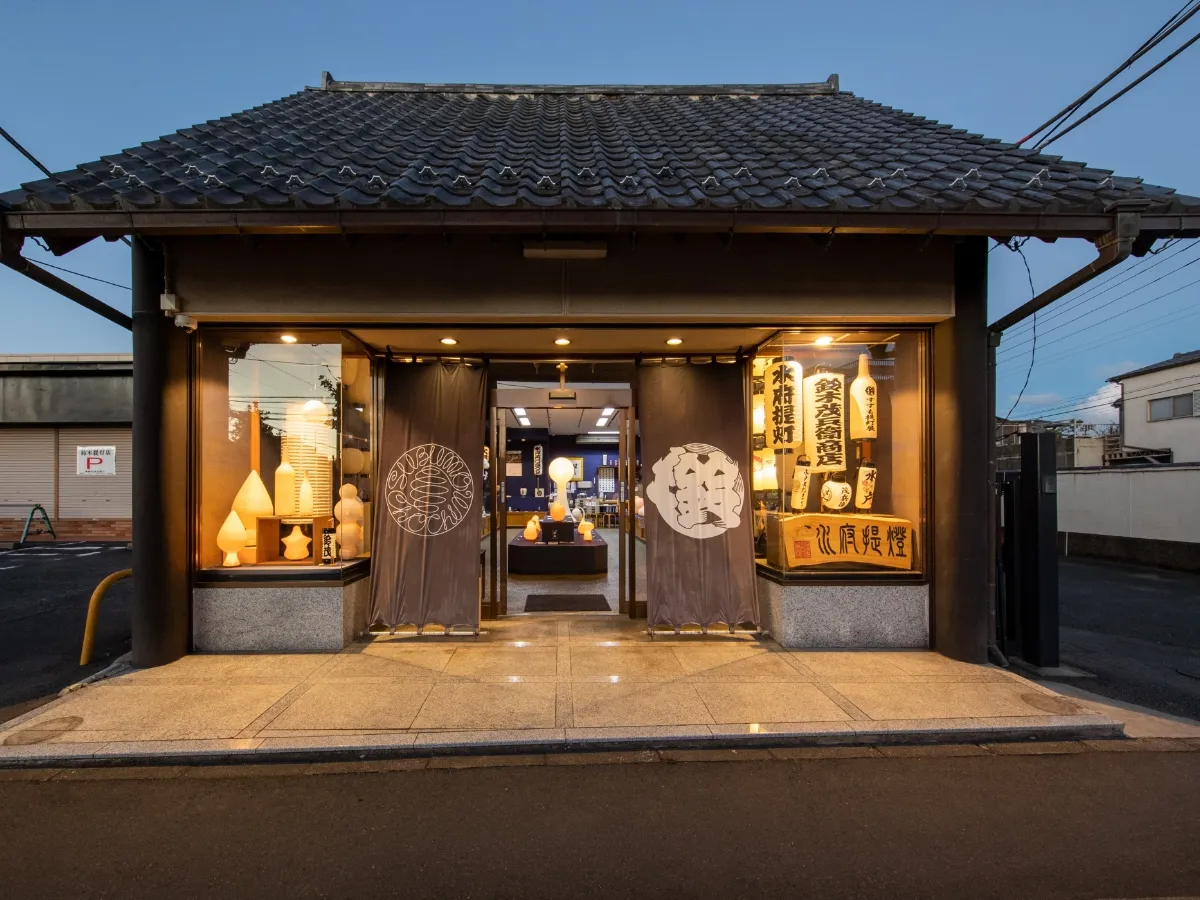
Suzuki Mohei Shoten, established in 1865, is one of the manufacturers of Suifu chochin (folding paper lanterns).

Suifu chochin (with the name Suifu coming from the old name of Mito City) is a traditional craft of the city that originated about 400 years ago, when low-ranking samurai, to support their livelihood, began making chochin from high-grade, durable Nishinouchi paper produced in northern Ibaraki Prefecture.

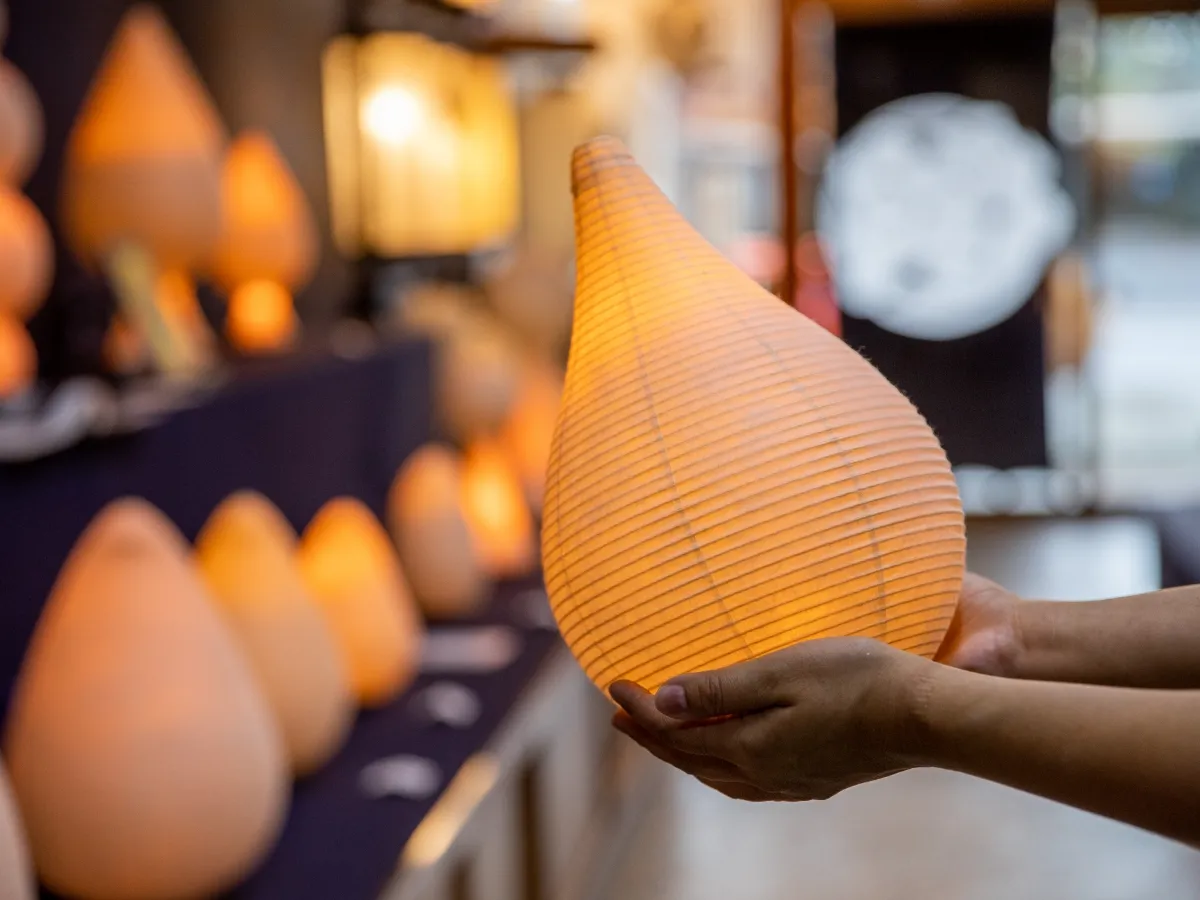
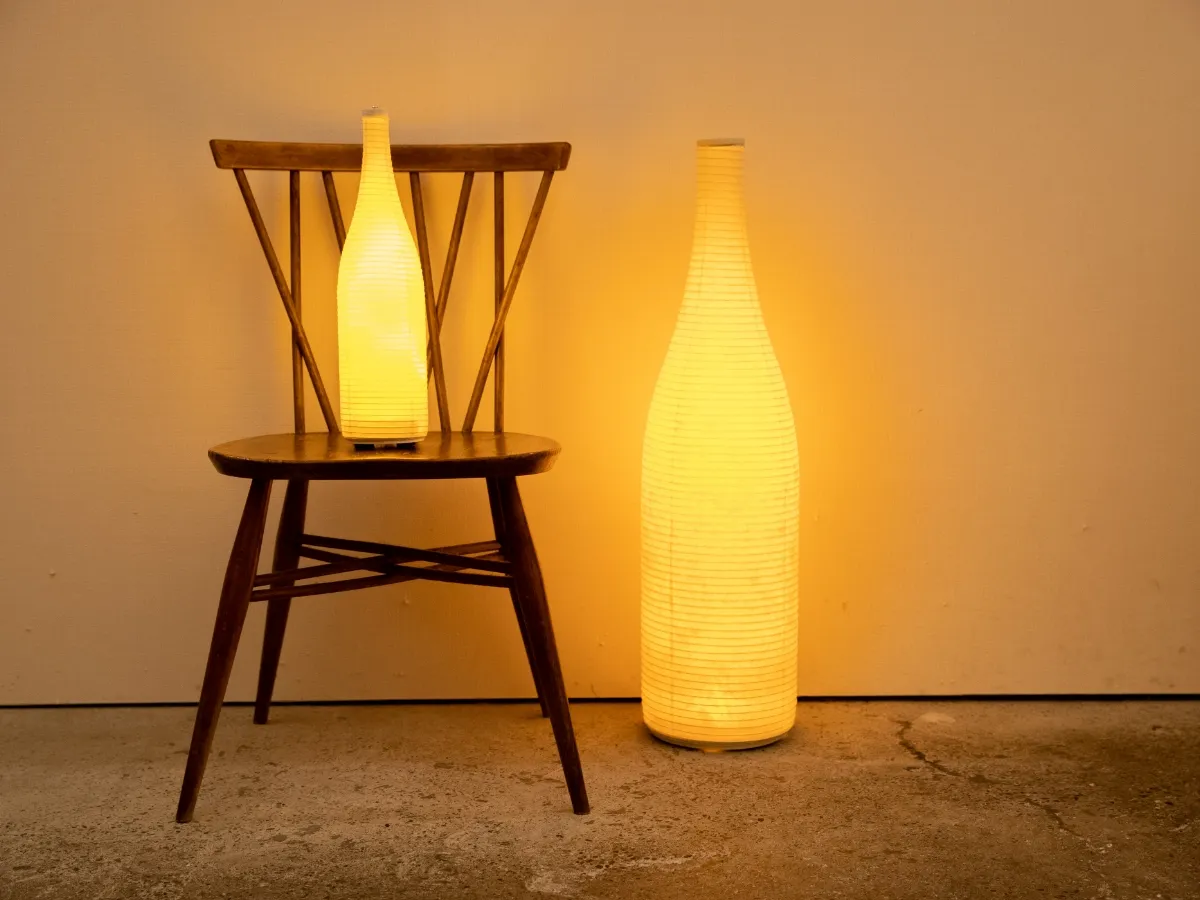
The shop makes chochin not only for traditional events but also modern-style chochin for interior use.
40 minutes by taxi
7
ISOKURA Sake Brewery

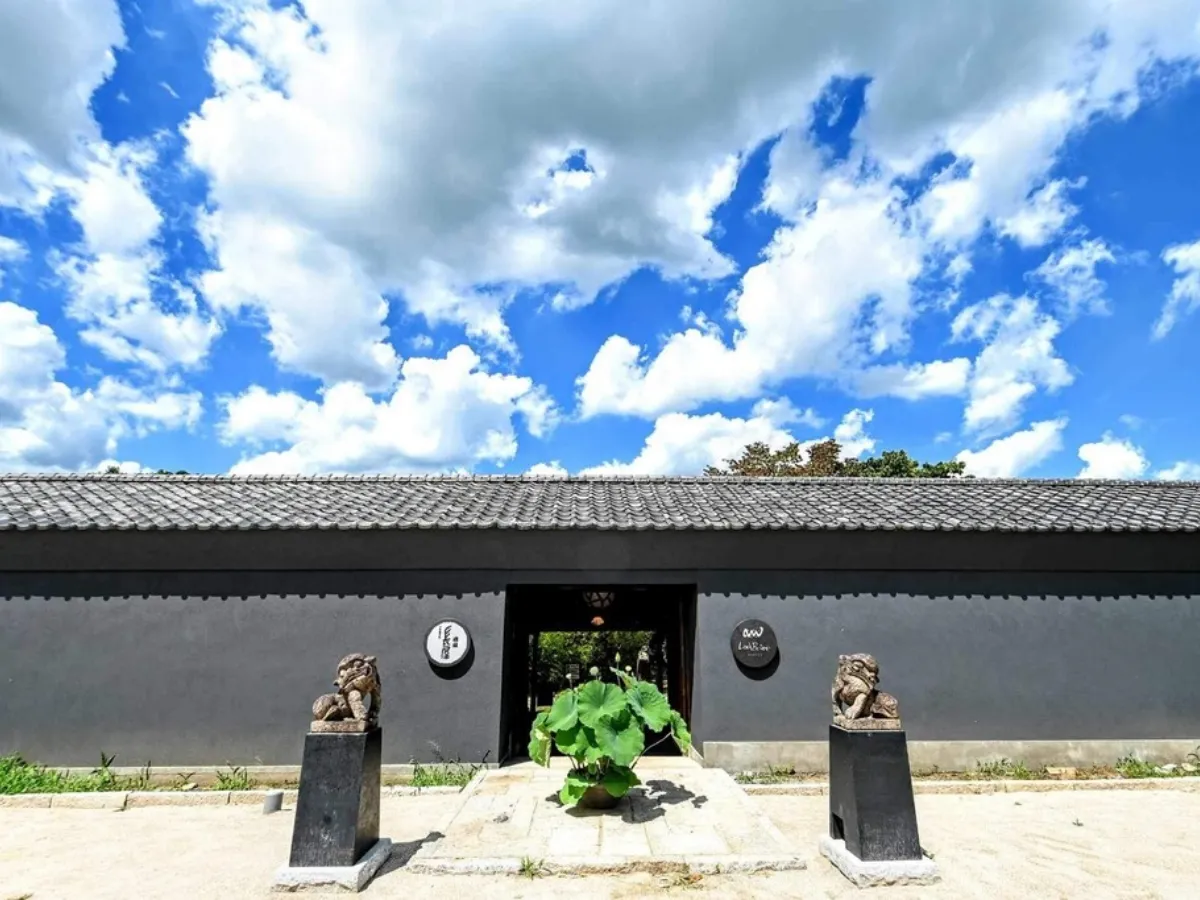
Front view of the sake brewery

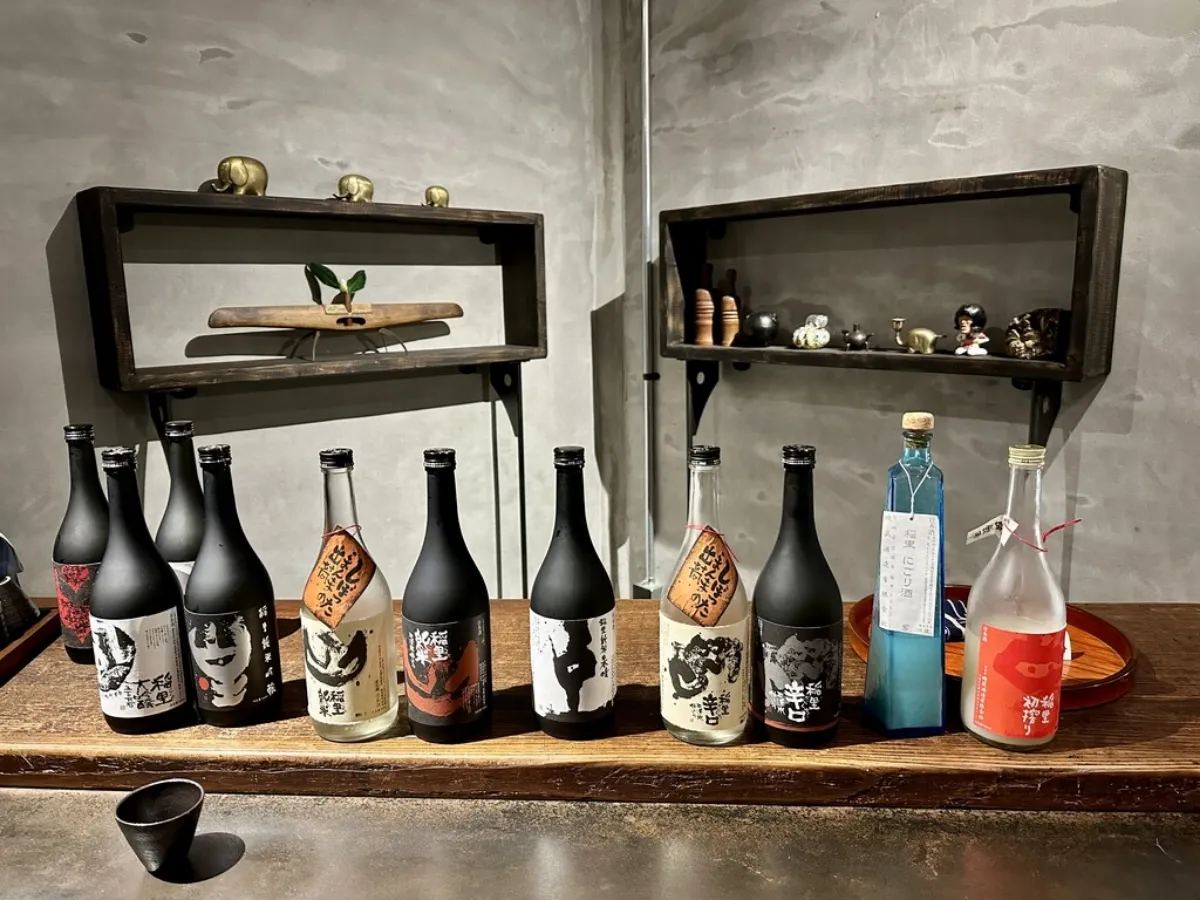
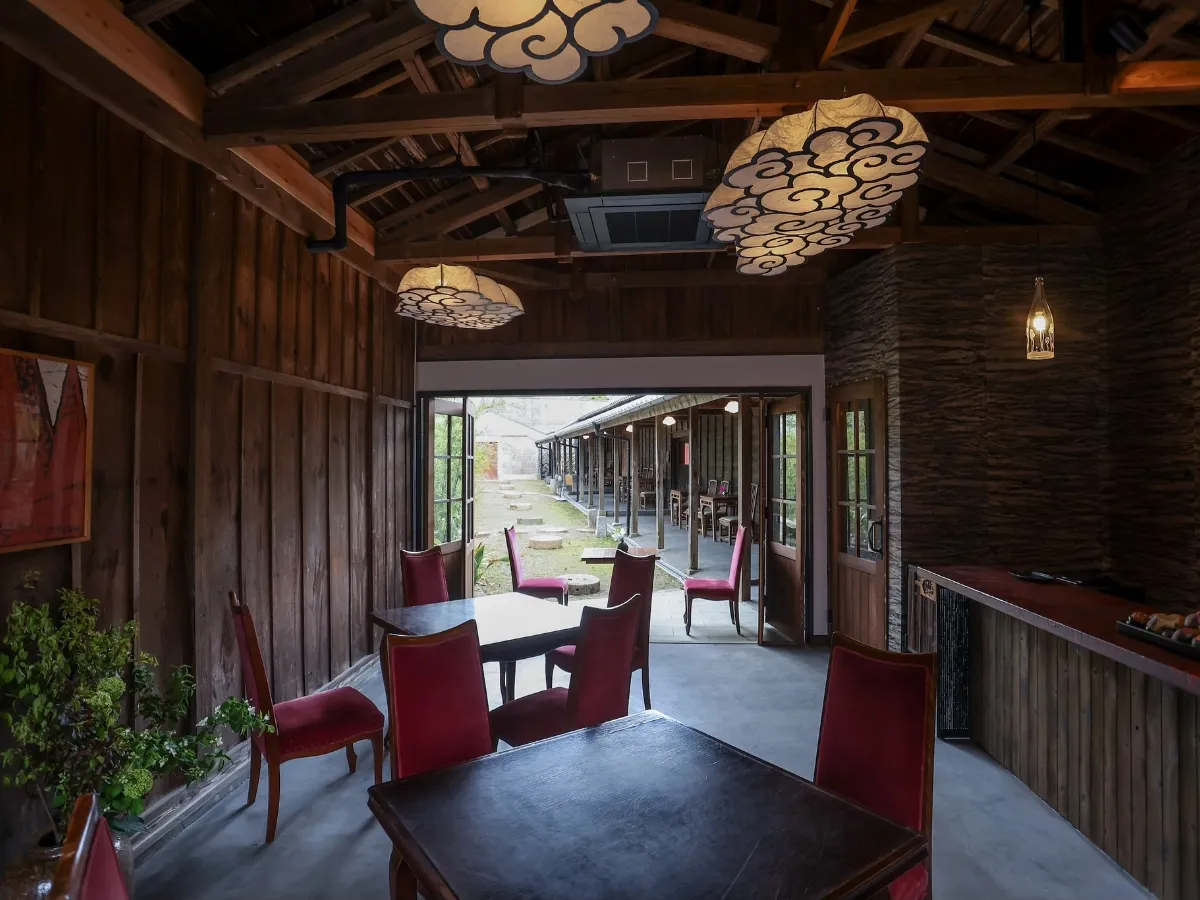
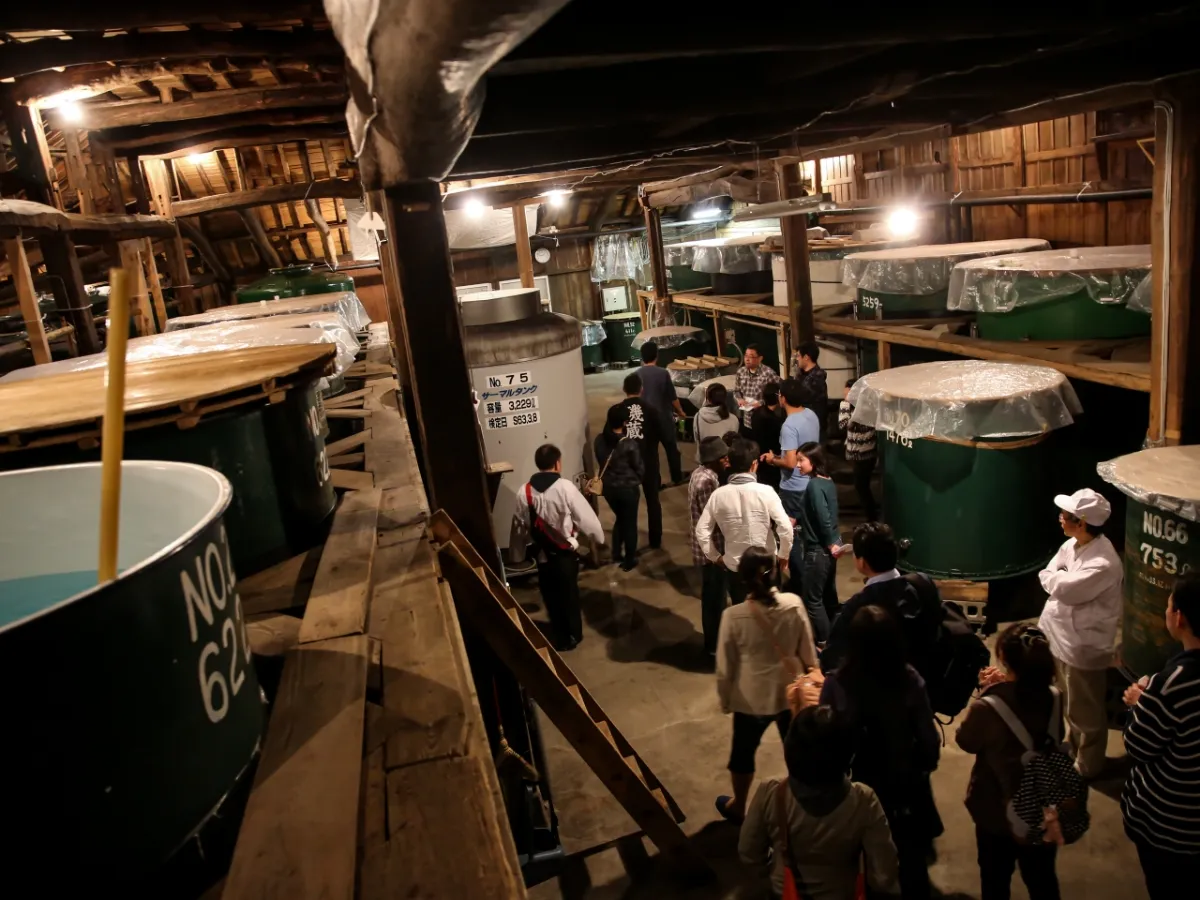
ISOKURA Sake Brewery produces "INASATO"—a sake brewed using ingredients from Ibaraki and sold exclusively within the prefecture—under the concept of "Locaboire" (drinking local).
The brewery features an on-site retail shop that combines sake tasting and sales, a pottery gallery, a café, and brewery tours, offering a space filled with the delicious flavors and enjoyable experiences of Ibaraki.
5 minutes by foot
5 minutes by train (JR)
5 minutes by bus
Day3
IBARAKI
8
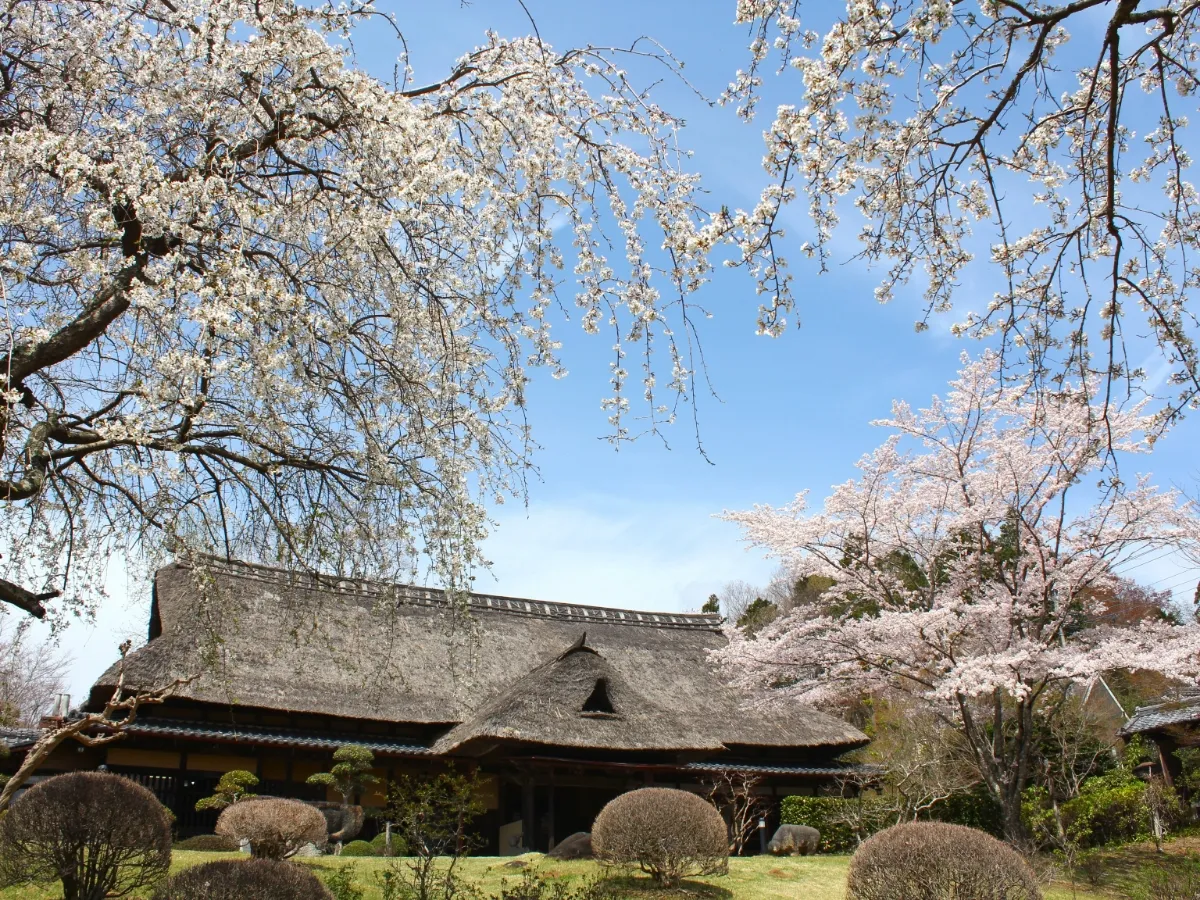
Shunpu Banriso
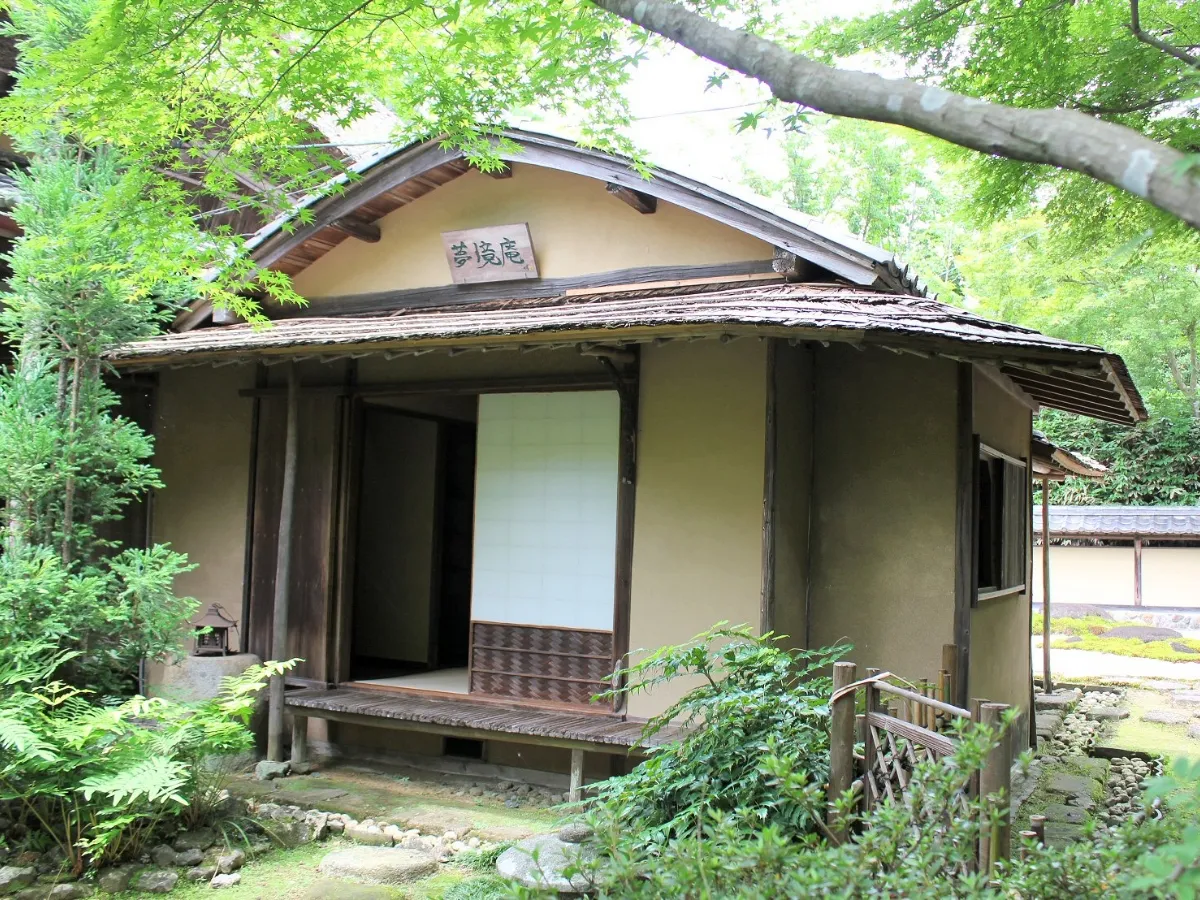
Shunpu Banriso is a 300-square-meter thatched-roof house relocated from Kita-Kamakura. It was the residence of Kitaoji Rosanjin, a famous Japanese artist who was active from the late 19th to mid-20th century in many fields, including pottery, calligraphy, and cooking.
Some rooms inside the house were personally designed by Rosanjin. The facility also displays furniture made by Rosanjin and some of his favorite personal belongings.
20 minutes by bus
9
Crafthills Kasama

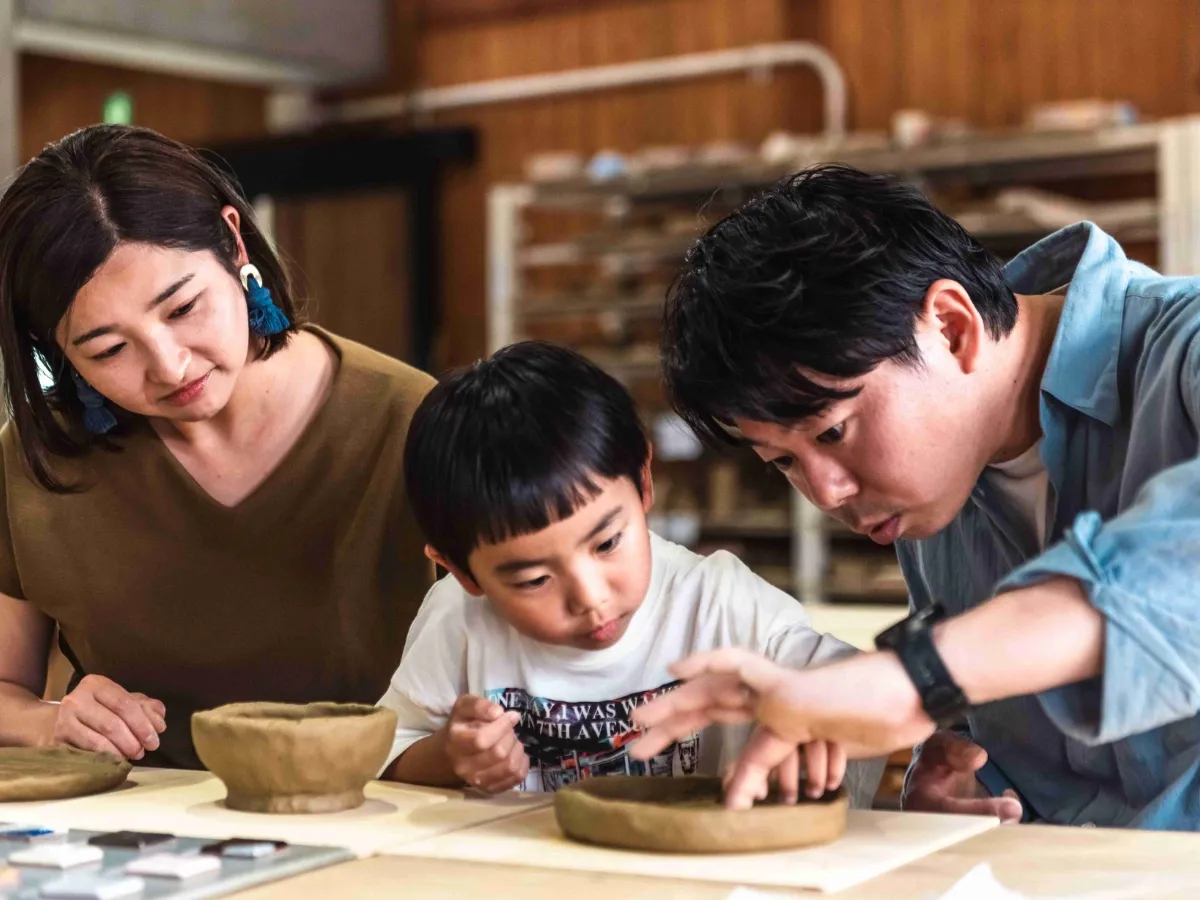
Pottery workshop(Hand-building)

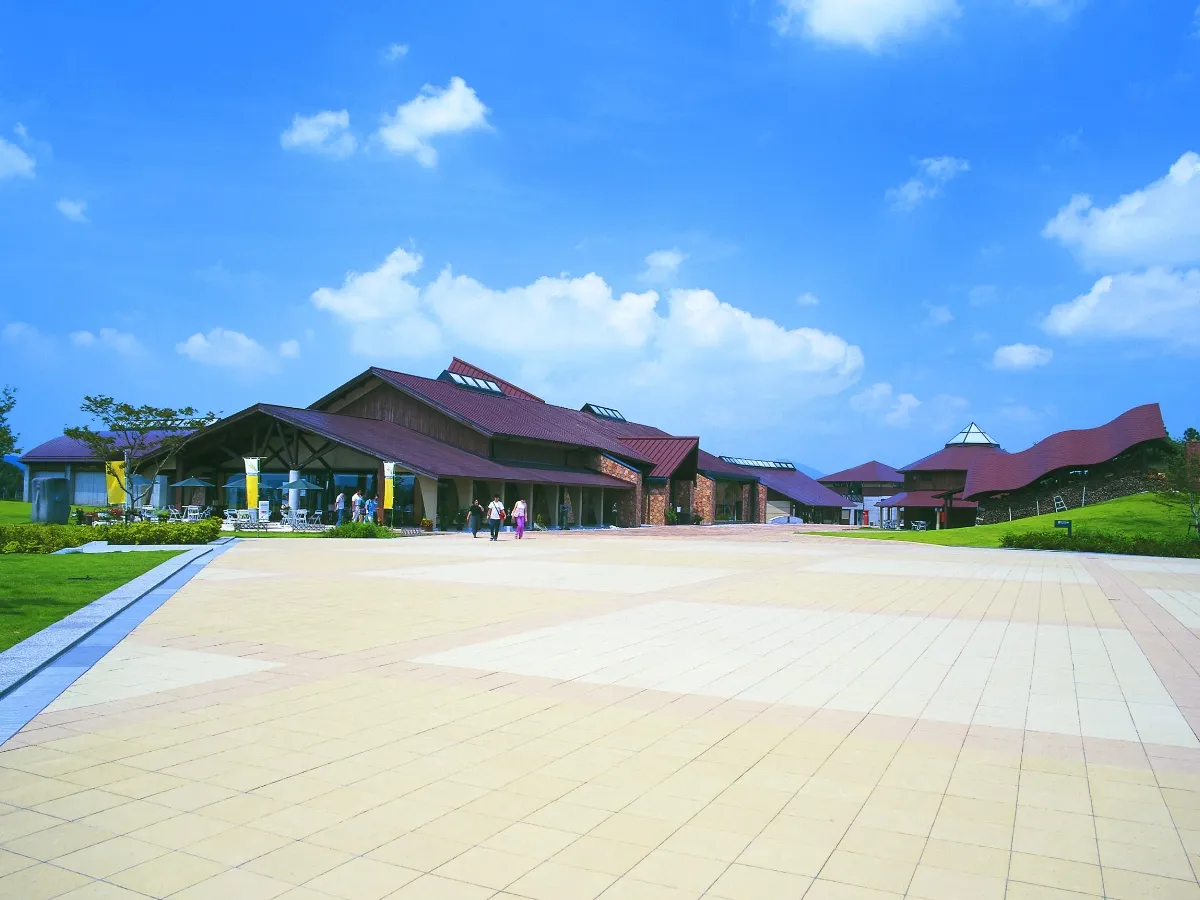
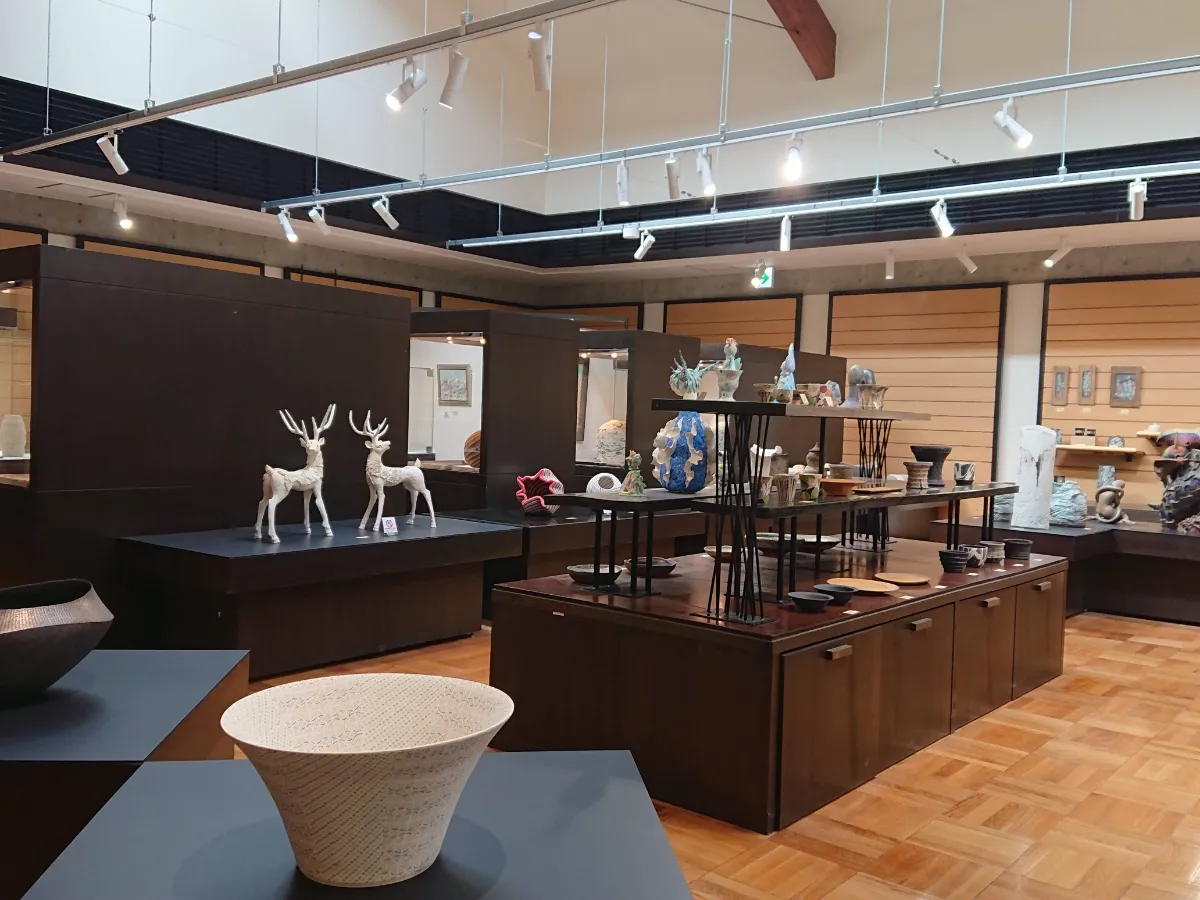
At Crafthills Kasama, experience Kasama-yaki pottery, a traditional craft since the Edo period. Here, visitors can enjoy hands-on Kasama-yaki activities such as shaping clay on a potter's wheel, hand-building clay, and painting pottery, as well as making Venetian glass accessories.
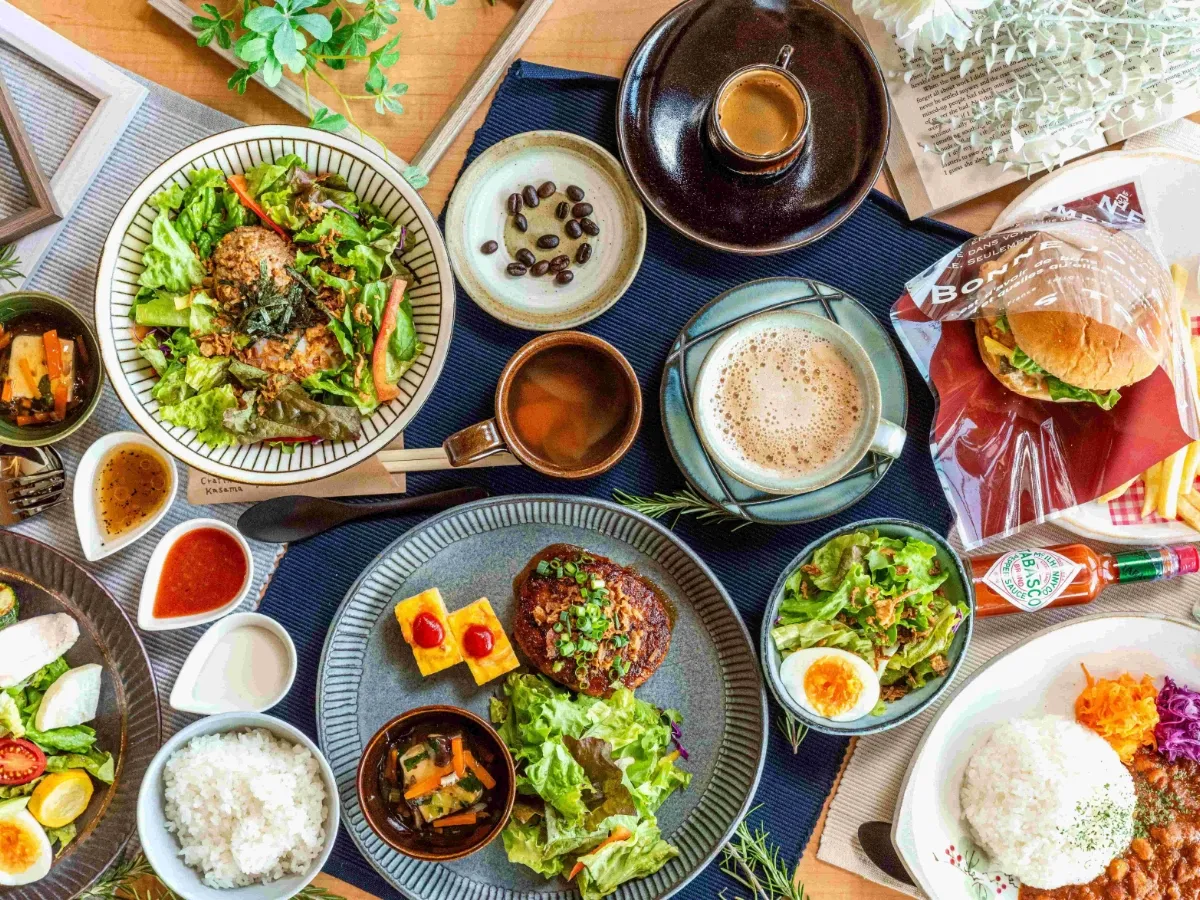
The craft shop inside the facility offers Kasama-yaki pottery, artisanal crafts, and regional products. There is also an art space with unique exhibits, as well as Craft Cafe, serving dishes made with local Kasama produce on Kasama-yaki pottery. Enjoy a peaceful, blissful time.
10 minutes by bus
10
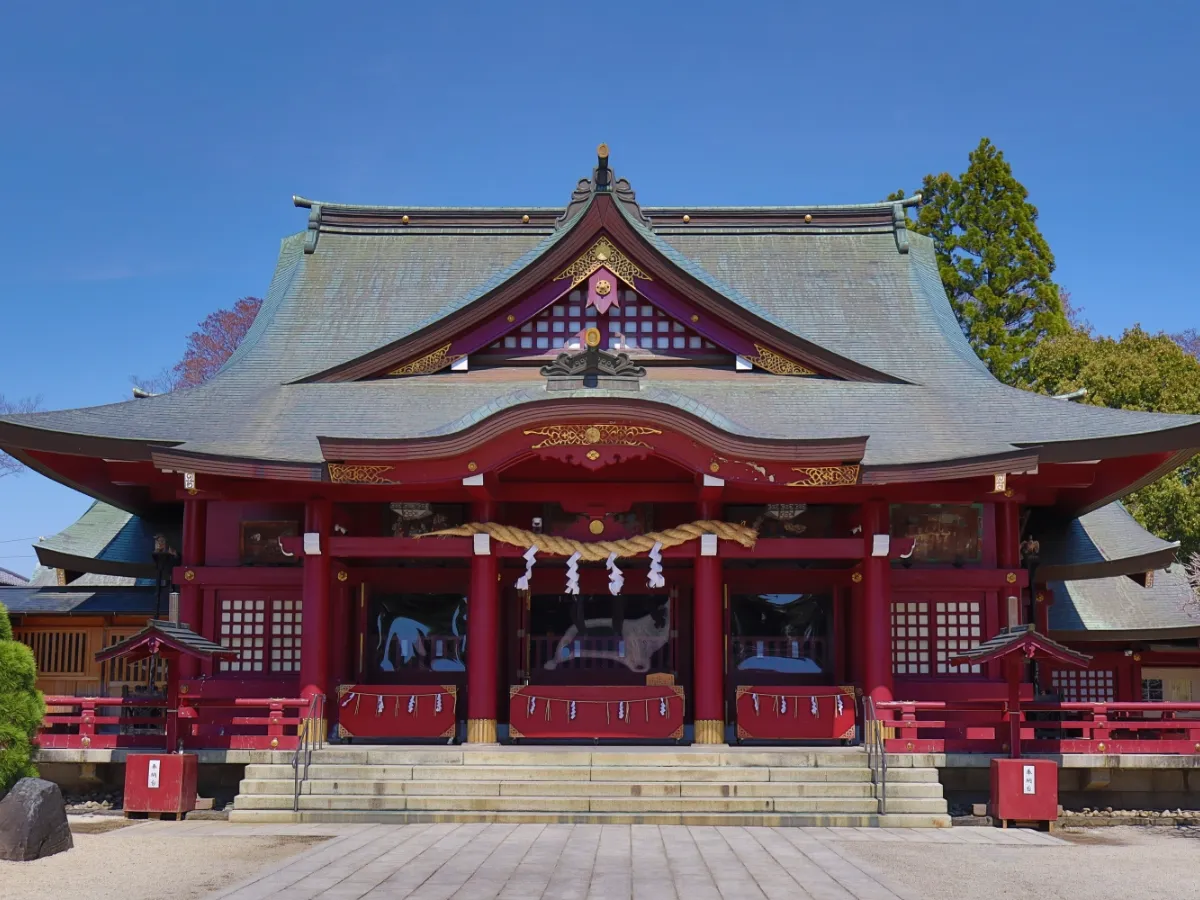
Kasama Inari Jinja
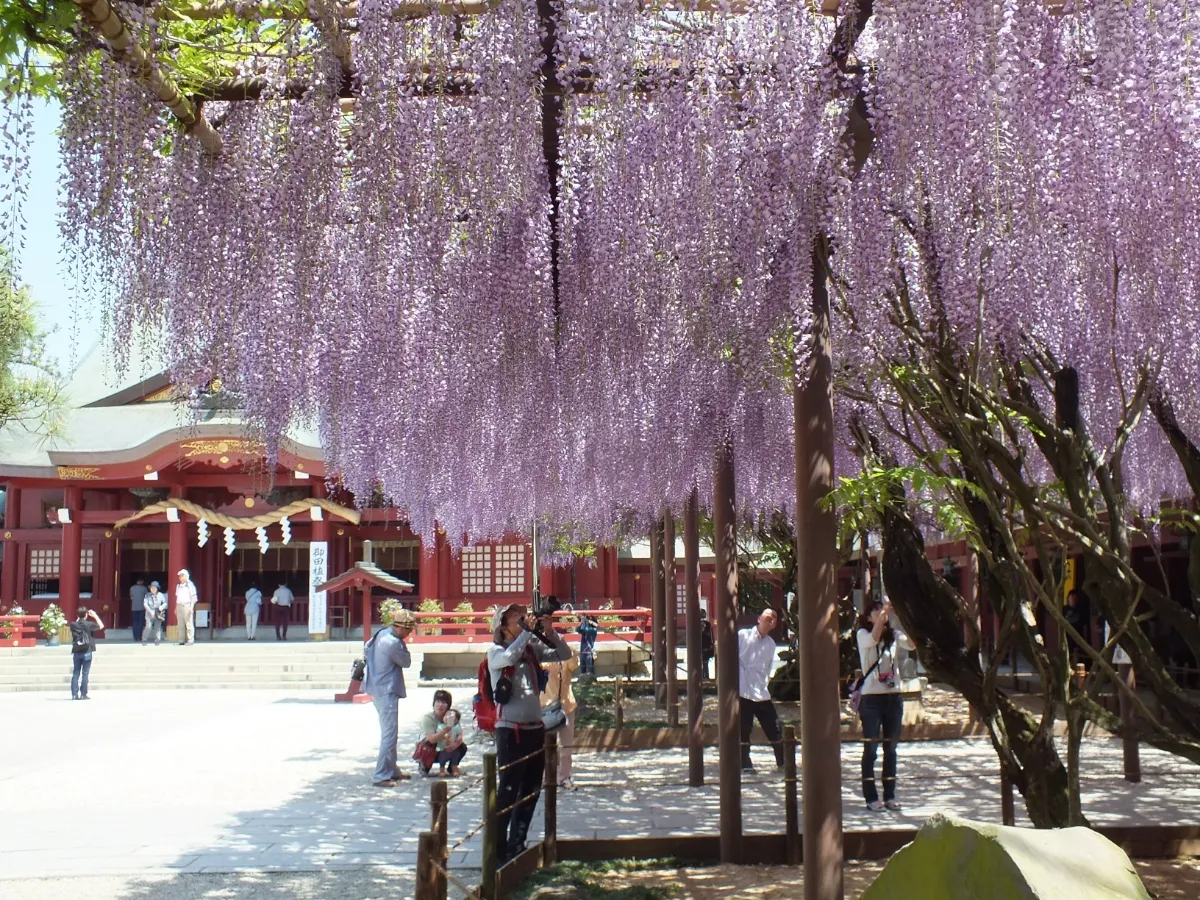
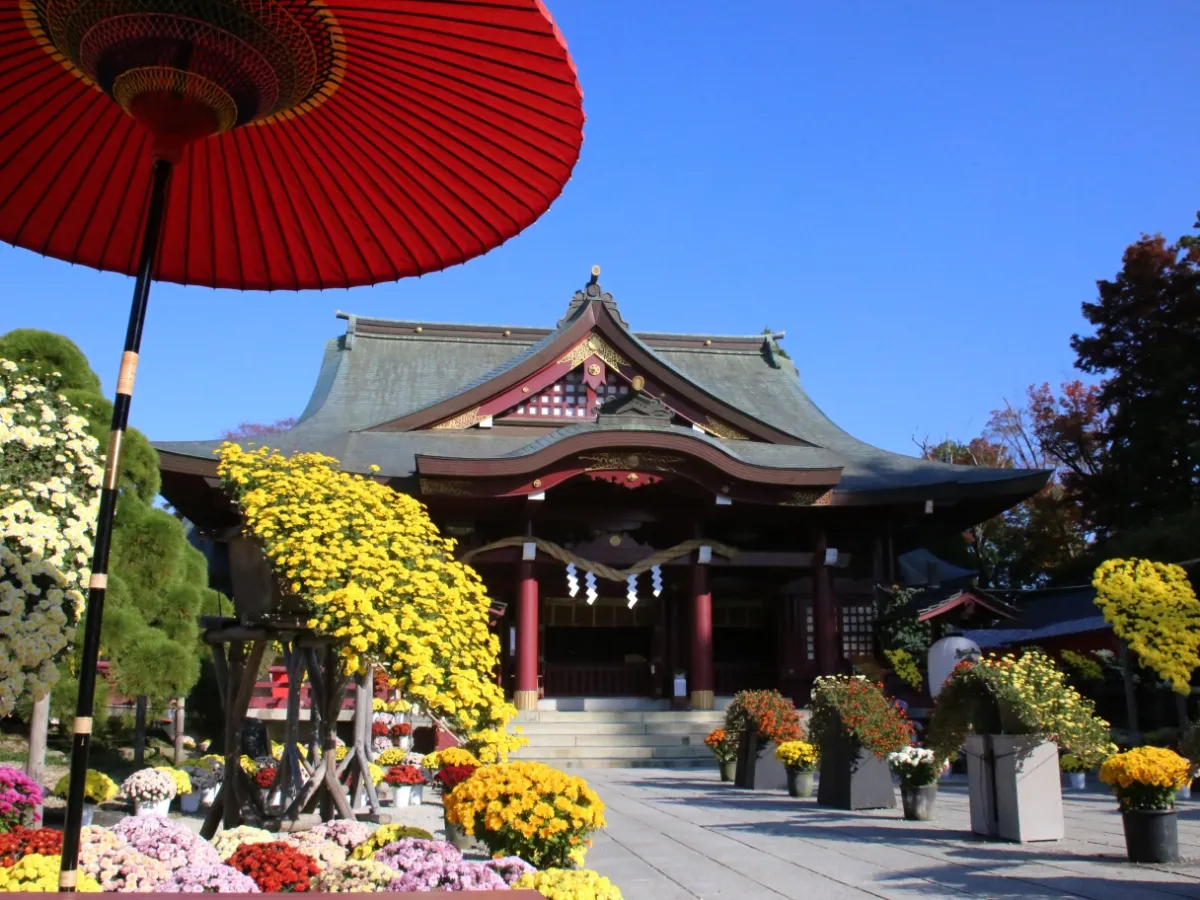
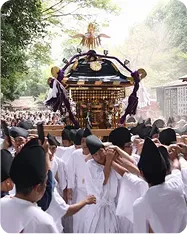
This jinja (Shinto shrine) is known as one of the three largest Inari shrines in Japan, and its deity was awarded the Senior First Rank, the highest court rank granted to shrines. During the feudal Tokugawa period, the shrine was highly revered as the designated place of worship for the hereditary lords of the Kasama Domain. Since that time, it has come to be popularly known by the familiar names of Kurumi ga Shita Inari ("the Inari under the Walnut Trees") and Monzaburo Inari.

About IBARAKI

Back to Top

COPYRIGHT © KITAKANTO × TOKYO ALL RIGHTS RESERVED.